How PR Can Mitigate Deep Fakes
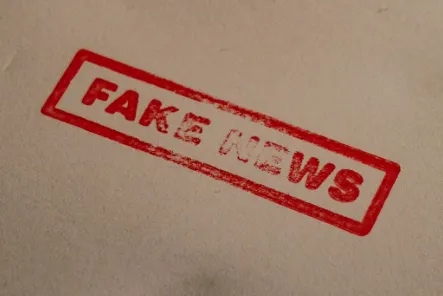
How Proactive and Reactive PR Tactics Can Safeguard Your Brand from Deepfake Scandals
In an era where artificial intelligence can fabricate hyper-realistic videos and audio, deepfakes have emerged as a significant threat to individuals and organizations alike. The recent misuse of AI-generated deepfakes involving Goldman Sachs executives Abby Joseph Cohen and David Kostin underscores the potential reputational damage such fabrications can inflict. Similarly, legal challenges, such as Elon Musk’s social media platform X suing Minnesota over its deepfake law, highlight the complex interplay between technology, free speech, and regulation.
To navigate this evolving landscape, organizations must employ both proactive and reactive public relations (PR) strategies to mitigate the risks associated with deepfakes.
Proactive PR involves anticipating potential crises and establishing measures to prevent or lessen their impact. Proactive PR will build the shield before the storm. In the context of deepfakes, this means:
- Educating Stakeholders: Regularly inform employees, clients, and the public about the existence and risks of deepfakes. Awareness campaigns can empower stakeholders to critically assess digital content and recognize potential fabrications.
- Establishing Verification Protocols: Implementing systems to verify official communications can help distinguish genuine messages from deepfakes. This might include digital signatures or watermarks on official videos and statements.
- Monitoring Digital Platforms: Utilize advanced monitoring tools to detect unauthorized or suspicious content featuring company representatives. Early detection allows for swift action to counteract misinformation.
- Developing Crisis Communication Plans: Prepare detailed response strategies for potential deepfake incidents. These plans should outline the steps to take when a deepfake is identified, including internal communication protocols and public response measures.
By laying this groundwork, organizations can reduce the likelihood of a deepfake causing significant harm and ensure readiness to respond effectively if one does surface.
Despite the best proactive measures, deepfakes can still emerge, necessitating a reactive PR approach. Key steps include:
- Swift Public Denial and Clarification: Immediately address the deepfake, clarifying that the content is fabricated. Transparency is crucial to maintain public trust.
- Engaging with Media Outlets: Work closely with journalists and media platforms to disseminate accurate information and counteract the spread of the deepfake.
- Legal Action: Pursue legal avenues against the creators and distributors of the deepfake. This not only seeks justice but also signals to the public and stakeholders that the organization takes such matters seriously.
- Internal Communication: Keep employees informed about the situation and the steps being taken. This ensures a unified message and prevents internal misinformation.
For instance, in the case of the Goldman Sachs executives, a prompt and transparent response would be essential to reassure clients and stakeholders of the video’s inauthenticity and the company’s commitment to integrity.
The legal landscape surrounding deepfakes is still evolving. The lawsuit filed by X against Minnesota’s deepfake law illustrates the tension between combating misinformation and protecting free speech. Organizations must navigate these legal complexities carefully, ensuring that their PR strategies align with current laws and advocate for regulations that address the challenges posed by deepfakes without infringing on fundamental rights.
Deepfakes represent a formidable challenge in the digital age, with the potential to cause significant reputational and operational damage. By implementing comprehensive proactive and reactive PR strategies, organizations can better protect themselves against such threats. Staying informed about technological advancements and legal developments is essential to adapt and respond effectively in this dynamic environment.
Recent Articles



Discovery call
We can start right now. Simply complete a quick form and we’ll set up a discovery call to dive deep on your business needs.