The Future of TV Advertising: From Buying Ratings to Building Audience-First Strategies
We are living in the age of innovation. Traditional advertising mediums like linear TV are certainly being impacted, but that doesn’t mean that those mediums are disappearing. How we use them is evolving.
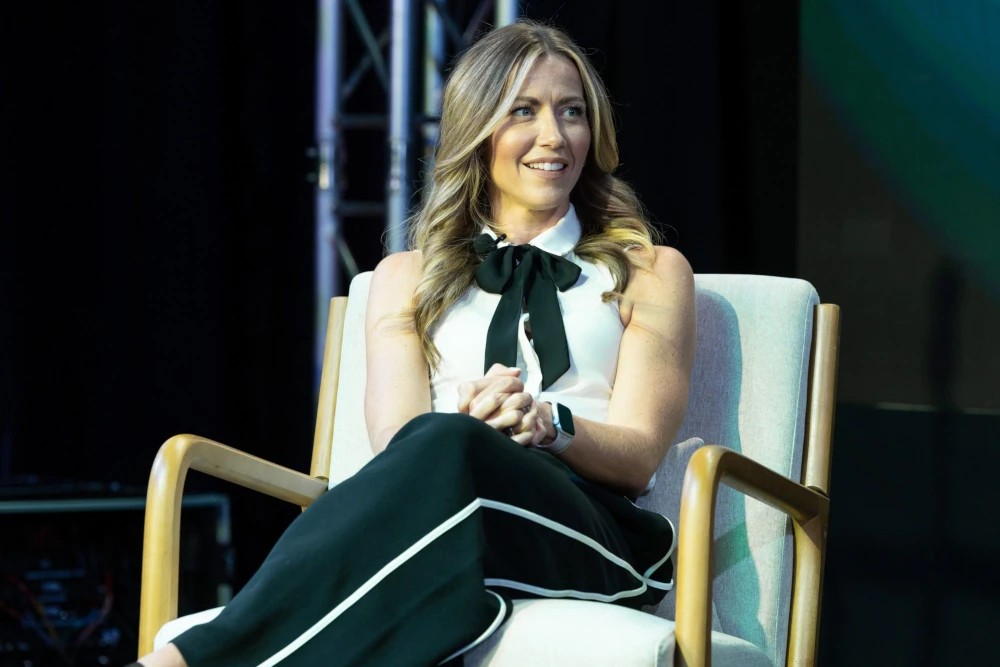
That was one of the central themes of a recent fireside chat our Media Director, Kristen Carter, participated in with Kevin Maloy, VP of Advanced TV Solutions at Nexxen, during the Las Vegas Innovation Marketing Association’s Digital Technology & Planning Day.
For agencies and brands, the evolution of video content and how people consume it has fundamentally changed the way we think about television. TV is no longer a one-size-fits-all medium. The future is about understanding who the audience is, how they consume content, and using data and technology to reach them with the right message at the right time – and ultimately understanding how those investments contribute to business results.
TV Has Evolved – So Has the Way We Plan It
At MassMedia, we still rely on tried-and-true tools to plan linear TV buys. Resources like SQAD help establish market-specific planning costs and negotiate efficient rates, while Nielsen and Comscore help us understand ratings, audience delivery, and forecast reach.
The introduction of CTV and online video has made audience intelligence tools and client first-party data an absolute necessity, replacing the ratings and demo-based buying strategies of the past.
First-party data and audience intelligence tools help us understand who a brand’s best customers are, how they behave, what they value, and most importantly, how they consume media. That intelligence is ultimately what determines the media mix.
Determining The Right Video Mix
Determining the right video mix starts with two questions: Who are we trying to reach, and what business outcome are we trying to achieve?
Budget is equally important. Linear television can still be cost-prohibitive in certain markets, particularly for advertisers with limited budgets. CTV has made premium television environments much more accessible, allowing brands to enter the video ecosystem without necessarily making the same investment required for a traditional linear schedule.
But when the audience and budget support it, linear can still be extremely powerful.
We saw this firsthand with one of our clients, who was focused on growing singular transactions of $25,000 or more. First-party customer profiles showed that these high-value customers tended to be older and more affluent audience that was still consuming linear TV, so we built a strategy around how that audience watched television. The plan combined addressable cable and streaming with linear programming that over-indexed for the target audience, including premium tentpole environments.
TV was part of a broader marketing ecosystem, but the markets where the strategy ran consistently experienced growth in $25K+ sales. This campaign served as a powerful reminder that innovation doesn’t always mean replacing traditional channels. Sometimes, it means using better data to make traditional channels work harder.
Fragmentation Makes Integrated Media More Important, Not Less
The proliferation of media platforms has created tremendous opportunity for advertisers, but it has also created one of the industry’s biggest challenges: fragmentation. Consumers don’t think about whether they’re watching “linear TV,” “CTV” or “digital video.” They simply watch content.
Media planning and measurement, however, often still operate within those individual channel silos. That makes it difficult to understand true unduplicated reach and frequency across screens, and even more difficult to determine how all those exposures ultimately influence a business result.
The solution isn’t to retreat into the channels that are easiest to measure. It’s to create a full funnel integrated strategy and measure success based on each channel’s role in driving business results – not simply driving impressions.
A simple case study from a casino partner provides a great example. The brand’s media mix had historically been concentrated in Google and Meta, so we recommended adding CTV and YouTube to build awareness and support the performance of the bottom funnel channels. Since expanding the mix, website sessions and revenue have consistently increased proportionally to the increased paid media investment and channel mix.
Measuring What Matters
As the media mix becomes more complex, reporting has to evolve with it.
Rarely is the booking or the purchase the result of a single touchpoint; rather, it’s the cumulative effect of an integrated media strategy. Yet, one of the reasons brands can be hesitant to invest in upper-funnel channels like TV and CTV is that the impact isn’t always as easy to attribute as a click, lead, or booking from a lower-funnel channel.
That’s why measurement needs to look beyond last-click attribution. We evaluate upper-funnel channels through signals like website traffic, branded search lift, and overall business performance. Our reporting platform brings those insights together, with media performance, website analytics, CRM, sales, bookings and other first-party data in one view to create a more complete picture of media’s impact.
Reporting is one of the most important ways we demonstrate success to brands. The goal is never more data – it’s actionable data that helps all parties understand what happened, why it happened and what we should do next.
So Where Does TV Go Next?
AI and automation will continue to change how agencies plan, buy and optimize television, but technology alone isn’t the strategy.
The opportunity is using better technology alongside first-party data and audience intelligence to make smarter decisions about who to reach, where to reach them and how each channel contributes to the business objective.
The future of television isn’t linear versus streaming. It’s an audience-first video strategy where every channel has a role, and success is ultimately measured by business impact, not impressions.
Recent Articles



Discovery call
We can start right now. Simply complete a quick form and we’ll set up a discovery call to dive deep on your business needs.