Don’t Let Good PR Go to Waste: How to Repurpose Earned Media

Don’t Let Good PR Go to Waste: How to Repurpose Earned Media
Repurposing Earned Media
September 22, 2026

Getting meaningful media coverage is rarely a quick process. It takes research, story development, pitching, relationship building, interviews and follow-up to secure a single placement. 

Yet once the story runs, many companies give it one social media post and move on. 

That is a missed opportunity. 

Earned media can continue working long after an article is published, particularly when companies know how to repurpose earned media across their broader communications and marketing efforts. A strong media placement can provide material for social content, thought leadership, email campaigns, sales materials and future PR outreach. 

The relationship works in the other direction, too. The content a company already owns, from original research to executive insights, can give a PR team stronger material to bring to reporters. 

The result is a more connected approach to communications, where earned and owned media support one another rather than operating as separate efforts.

What Is Earned Media and How Does It Work With Owned Media? 

Earned media is coverage a company receives from an independent third-party source, such as a newspaper, magazine, trade publication, broadcast outlet, podcast or digital news site. Unlike advertising or sponsored content, the company does not control the final story or how the publication presents it. In other words, it’s earned through “reputation, word-of-mouth, and public relations efforts.”

That distinction can make earned media particularly useful for establishing credibility. A reporter, editor or producer has independently determined that a company, executive, trend or issue is worth covering.

Owned media, by comparison, consists of channels a company controls, including its website, blog, email newsletter and social media accounts. 

The two channels serve different purposes, but they can work together. 

Earned media can introduce an organization or executive to a new audience. Owned media gives the company a place to expand on the subject, provide additional information and continue the conversation. 

That creates a cycle: 

Owned content → PR opportunity → Earned media → Repurposed content → Continued engagement 

The objective is not to publish the same message everywhere. It is to take a useful idea and adapt it for the audience and purpose of each channel.

How Do You Repurpose Earned Media? 

The simplest way to start is to look beyond the finished article. 

Ask what made the story interesting in the first place. Was an executive commenting on an industry trend? Did the story include original research or data? Did the interview reveal a question that customers frequently ask? Did the reporter’s questions uncover an issue worth exploring in greater depth? 

Those elements can become the foundation for additional content. 

Expand an Executive’s Point of View 

A reporter may use only one or two sentences from a much longer interview. The rest of the executive’s perspective does not have to disappear when the article is published. 

An executive’s comment in a trade publication could become the starting point for a company blog post, LinkedIn article or other thought leadership. The executive can expand on the original idea, provide additional context or explain what the trend means for customers and other businesses. 

This also creates a connection between media relations and executive thought leadership. 

Rather than treating each interview as an isolated PR activity, companies can look for recurring themes in their executives’ commentary. Those themes can become the foundation for a longer-term thought leadership program. 

This is one way to think about what a PR agency does beyond securing a media placement. The value is not simply in getting an executive quoted. It can also come from identifying the ideas worth developing, positioning the executive around those areas of expertise and finding additional ways to put that expertise to work. 

Turn Coverage Into Social Content 

A media placement does not always need to be promoted with a post that simply says, “We were featured.” 

Instead, identify the most useful takeaway from the coverage. 

If an executive was quoted in a story about a change affecting the industry, a LinkedIn post could highlight the insight, explain why it matters and direct readers to the full article. 

A particularly strong quote could become a social graphic. Several related quotes from different interviews could support a recurring series around an executive’s perspective. 

The media placement provides the third-party validation. The company’s social channels provide the additional context. 

Create Content From the Questions the Story Raises 

Good media coverage often raises questions that the original article does not have room to answer. 

Those questions can become new owned content. 

For example, a story about changing consumer behavior could lead to a deeper article about what businesses should consider next. A story about a new technology could lead to a practical guide addressing common implementation questions. A story based on original research could lead to additional analysis of the findings. 

The goal is not to rewrite the reporter’s story and publish it on the company website. 

Instead, use the coverage as a starting point and give the audience something new. 

That distinction is important. Effective content repurposing adds value rather than simply reproducing information that already exists elsewhere.

How Can You Maximize Earned Media Coverage? 

Repurposing coverage is only one part of a broader earned media strategy. Companies can also make their media efforts more productive by thinking about potential content assets before a story is ever pitched. 

One useful question for PR and marketing teams is: What can we create from this story if we earn the coverage? 

That question can influence how a story is developed from the beginning. 

If an executive is being positioned as an expert on a particular industry trend, for example, the team can identify related data, customer questions, existing blog content and other resources that could support the story. 

Planning this way makes it easier to extend the value of coverage after publication. The value of earned media doesn’t end when the story publishes. Cision outlines several ways organizations can extend the impact of earned coverage, including incorporating it into owned channels and sharing it with customers and prospects.

Start With Original Data 

Reporters need information that helps them explain what is happening in an industry. 

Original surveys, research and company data can provide that information when they reveal a meaningful trend. 

A company does not necessarily need a large national study. A focused survey of customers or analysis of relevant company data may uncover a useful finding, provided the methodology and limitations are clear. 

That finding can then serve two purposes. 

The company can publish the research as an owned asset while the PR team uses the findings as the basis for media outreach. A specific finding gives reporters something more useful than a broad claim about what is happening in the market. 

The resulting media coverage can then point audiences back to the original research, creating another connection between earned and owned media. 

Develop a Clear Executive Point of View 

Original research is not the only owned asset that can support PR. 

An executive who regularly addresses meaningful industry issues through a company blog, LinkedIn or other channels is building a body of thought leadership that a PR team can draw from when identifying media opportunities. 

That matters because a reporter looking for an expert source needs more than a person’s job title. They need a reason to believe the person can contribute something useful to the story. 

Consistent, substantive content can help demonstrate that expertise. 

It can also make PR outreach more specific. Instead of pitching an executive simply as the CEO of a company, a PR team can point to the issues the executive regularly addresses and explain why that perspective is relevant to the reporter’s audience. 

Give Your PR Team More to Work With 

The same principle applies to case studies, company reports, customer insights and other content. 

Not everything will become a media story, and it should not. 

The PR team’s job is to identify what has genuine news value and what is better suited to owned channels. 

That distinction is important. A company’s marketing content should not automatically become a press pitch. But a piece of owned content may contain a statistic, trend or point of view that becomes much more compelling when viewed through a news lens. 

This is where close coordination between marketing and PR can improve both functions. 

Build an Online Newsroom 

An online newsroom can provide a practical home for the connection between earned and owned media. 

A useful newsroom might include recent news releases, media coverage, executive biographies, company background information, photography and other resources relevant to journalists. 

It can also give the company a central place to showcase meaningful media coverage. 

That serves two audiences. 

For journalists, the newsroom creates an accessible source of background information when researching a future story. For customers, prospects and other stakeholders, this page provides an independent record of where the company and its executives have been featured. 

The newsroom does not need to become a comprehensive archive of every mention. Prioritize relevant coverage that demonstrates expertise, highlights significant company news or supports the organization’s broader positioning. 

Make Earned Media Part of Your Digital PR Strategy 

Earned media also has a place within a broader digital PR strategy. 

A media placement may generate referral traffic when a publication links to a company’s website. Coverage can also increase awareness of a company’s name, executives, products or areas of expertise. 

That does not mean every media mention will directly improve search rankings. Earned media should not be treated as an SEO shortcut, and search performance depends on many factors. 

The larger opportunity is to build a consistent digital presence around credible third-party coverage and useful first-party content. 

For example, a company might earn coverage about an emerging industry trend and then publish a more detailed article on its website addressing the issue. This piece can answer related questions, provide additional context and link readers to relevant resources. 

Both media coverage and owned content now serve different purposes while reinforcing the same area of expertise. 

Look for Unlinked Mentions 

PR teams can also monitor coverage that mentions a company without linking to its website. 

When appropriate, the company can contact the publication and ask whether a relevant link can be added. There is no guarantee the publication will make the change, but identifying unlinked mentions can be a useful part of a digital PR program. 

More broadly, monitoring media mentions can help a company understand where it is appearing online and which topics are generating attention. 

That information can also inform future PR and content decisions.

How Do You Turn Earned Media Into Content? 

The answer is not to copy the coverage. 

Instead, break the story down into its component parts and determine what each audience needs. 

A single executive interview, for example, might produce: 

  • A social post focused on the strongest takeaway 
  • A blog article expanding on the executive’s perspective 
  • An email newsletter featuring the media coverage 
  • A sales presentation using the placement as a third-party proof point 
  • A thought leadership article exploring a broader industry issue 
  • An internal communication recognizing the team’s work 

The underlying message can remain consistent, but the format and emphasis should change. 

A reporter needs a newsworthy story. A prospective customer may want practical information. An employee may appreciate recognition. A social audience may respond to a concise observation. 

Repurposing works when the content is adapted to those different needs.

What Does a PR Agency Do After a Story Runs? 

This is where the role of PR can extend well beyond media relations. 

Securing coverage is an important part of the job, but it should not necessarily be the end of the process. 

A PR team can help identify the most useful elements of the coverage, determine where those elements can be repurposed and coordinate with marketing, content and sales teams to put them to work. 

That might include developing follow-up content, identifying additional media angles, connecting an executive’s comments to a broader thought leadership strategy or finding opportunities to extend the conversation through the company’s owned channels. 

In other words, the question should not only be, “Did we get coverage?” 

It should also be, “What can we do with it now?” 

That shift can make PR a more integrated part of a company’s overall communications strategy. 

Measure What Happens After the Coverage Runs 

Traditional PR reporting often emphasizes placements, reach and impressions. Those metrics can help show the scale of a campaign, but they do not tell the entire story. 

If the goal is to maximize the value of earned media, companies should also look at what happens after publication. 

Depending on the campaign, useful measurements may include: 

  • Referral traffic from media placements 
  • Engagement with social posts featuring coverage 
  • Traffic to related owned content 
  • Downloads of reports or other resources 
  • Form submissions and inquiries 
  • Leads that reference a media placement 
  • Sales conversations influenced by coverage 
  • Engagement with executive thought leadership 
  • Searches for the company or executive 

The right measurements depend on the campaign’s objective. 

For instance, a thought leadership effort may be designed primarily to increase visibility and establish an executive as a source. In contrast, lead-generation campaigns may be focused more directly on website traffic or prospect conversion. 

The important thing is to connect media activity to what happens afterward. 

Build a Repeatable Earned Media Strategy 

Companies do not need to reinvent their content strategy every time they earn a media placement. 

A simple process can make repurposing part of the normal PR workflow: 

  • Capture: Save the coverage in a central media library. 
  • Identify: Pull out useful quotes, data, insights and questions. 
  • Adapt: Determine which elements can become social posts, blogs, newsletters, sales materials or thought leadership. 
  • Distribute: Tailor each piece to the audience and channel. 
  • Measure: Track engagement, traffic and other outcomes tied to the campaign. 
  • Refine: Use the results to inform future PR and content efforts. 

This creates a repeatable system rather than relying on someone to remember to share an article after it publishes. 

It also gives marketing teams a clearer view of the content already being generated through PR. 

Make Every Media Placement Work Harder 

Good PR takes time. Companies should get as much value as possible from the coverage they earn. 

That does not mean turning one article into a dozen versions of the same social post. It means looking at the ideas, expertise, data and questions behind the coverage and finding additional ways to make those elements useful. 

The same principle applies before a story ever runs. A company’s existing research, data and thought leadership can give a PR team stronger material to bring to reporters. 

That is ultimately what a connected earned-and-owned media strategy accomplishes. PR generates third-party visibility and validation, while owned channels provide a place to expand the conversation. 

For companies investing in PR agency services or building an internal communications program, the goal should not be simply to count media placements. 

It should be to make those placements work harder. 

When earned media and owned content support one another, one story can become the starting point for many more conversations.

Recent Articles
Discovery call

We can start right now. Simply complete a quick form and we’ll set up a discovery call to dive deep on your business needs.
Influencer Partnerships That Go Beyond Checking a Box

Influencer Partnerships That Go Beyond Checking a Box

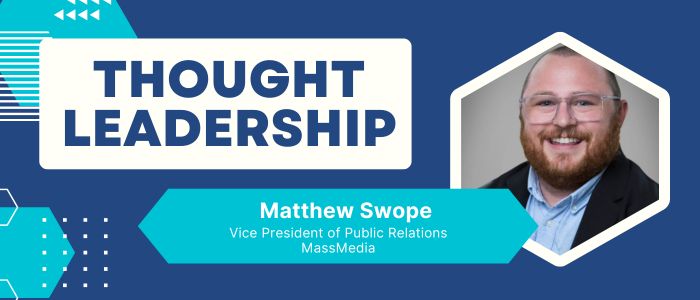
Thought Leadership - Matthew Swope, Vice President of Public Relations, MassMedia
August 18, 2026

This post originally appeared on the blog of the Las Vegas chapter of the Public Relations Society of America (PRSA)


It’s easy to take an order: we need 10 influencers at this next venue launch in two weeks.

Teams mobilize. Ten creators attend. Content goes live over a two-day period. The box has been checked.

But did that approach actually produce the desired outcome? And what was the audience experience—scrolling through a sea of nearly identical content on their For You Page?

As communicators, how can we move PR teams out of being order takers, arms and legs if you will, and into strategic partners, peeling back the layers to get to the heart of the ask—and the real why of it all?

That lesson feels especially relevant in hospitality and food and beverage influencer partnerships today.

Most influencer campaigns follow a familiar checklist: build a creator list, negotiate deliverables, host an event, generate posts and calculate reach. But completing the checklist does not necessarily mean the work moved the needle.

Here’s how to reframe influencer partnerships by asking our favorite question: why?


The Initial Request Is Not Always the Real Objective

Clients or internal leaders may communicate their needs through tactics, asking for an influencer event, a certain number of posts, a TikTok campaign or creators above a specific follower threshold.

But those requests are often only the surface expression of a deeper goal.

Maybe the priority is filling reservations during a slower period, creating momentum around an opening, reaching a younger audience or rebuilding excitement about an already established venue.

Our role is to get beneath the request and understand the outcome behind it.

It typically starts with “why?” and is followed with: What does success actually look like? Can we achieve this by hosting an event or one-offs? What would make leadership feel genuinely excited about the investment? What would make the campaign feel bigger than a collection of contracted posts? How will the wider marketing organization be engaging with and utilizing this content?

Influencer strategies tend to be much stronger once those questions are answered.


Start With the Desired Action & Message

The best influencer content should capture attention and inspire action. Whether that’s by clicking out to make a reservation, attending an event, trying a new menu, booking a stay or reconsidering how someone views the brand.

Not every campaign needs to drive an immediate transaction, and oftentimes they won’t, but every campaign should have a clear purpose.

Once the purpose is identified and agreed upon, communicators can determine who the end target is, which platform makes the most sense, and the appropriate influencer to act as a conduit.


Give Creators the Destination, Not Every Turn

Brands should be clear about the message and desired outcomes, but they should not dictate every creative choice. Creators understand the formats, hooks, humor and storylines that resonate with their audiences. That knowledge is part of what the brand is leveraging by engaging in a paid or trade partnership.

The role of a comms team is to provide the strategic foundation: the audience, objective, key message, required facts and brand guardrails. Their job is to translate these baselines into content people will actually choose to watch and engage with.

Creative freedom does not mean operating without direction. It means trusting the creator to find the strongest route to the intended destination.

And, frankly, it’s time for brands to stop nitpicking every frame of influencer content and allow it to reflect the authentic style and voice of the creator.


Sometimes Less Creates More Impact

More creators do not automatically produce more influence.

When dozens of people attend the same preview, capture the same dishes and publish similar content at the same time, audiences quickly recognize the campaign–and they are calling it out. Instead of creating discovery, the volume can make the experience feel manufactured.

Smaller, more bespoke hostings can often produce stronger results. And influencers more and more are asking for one-off experiences, not only to create higher quality content, but to lean into exclusivity and first-looks.

A thoughtfully curated dinner, bespoke itinerary or meaningful access to a chef, founder or creative leader gives influencers a stronger story to experience and tell. It also gives the creator room to find a distinct POV and theme for their content.

The goal should not be to occupy as much of the feed as possible. It should be to give the right storytellers something meaningful enough that their audiences want to act on it.

Did we merely deliver what was requested, or did we peel back the layers to uncover what the stakeholder truly wanted? Did we generate content, or did we create something capable of changing perceptions and moving people to action?

Going beyond checking boxes does not require a bigger campaign or larger budget. It requires a more intentional one.


Follow Matthew Swope on LinkedIn

Recent Articles

Discovery call

We can start right now. Simply complete a quick form and we’ll set up a discovery call to dive deep on your business needs.
Celebrating Summer with the Las Vegas Women’s Marketing Collective

Celebrating Summer with the Las Vegas Women’s Marketing Collective

LVWMC Crafted, Curated, Connections event
July 1, 2026

In June 2026, MassMedia and co-sponsor D/Cipher, hosted Crafted, Curated, Connections, a professional networking event by the Las Vegas Women’s Marketing Collective. This special evening brought together executive women in marketing, media, hospitality, tech, and entrepreneurship from the Las Vegas area and provided an opportunity to network, mingle, and spend time together.

No panels. No presentations. Just a gathering of successful businesswomen finding a refined setting to connect with like-minded professionals, expand their circles, explore new opportunities, and invest in their communities.

Kicking Off Summer

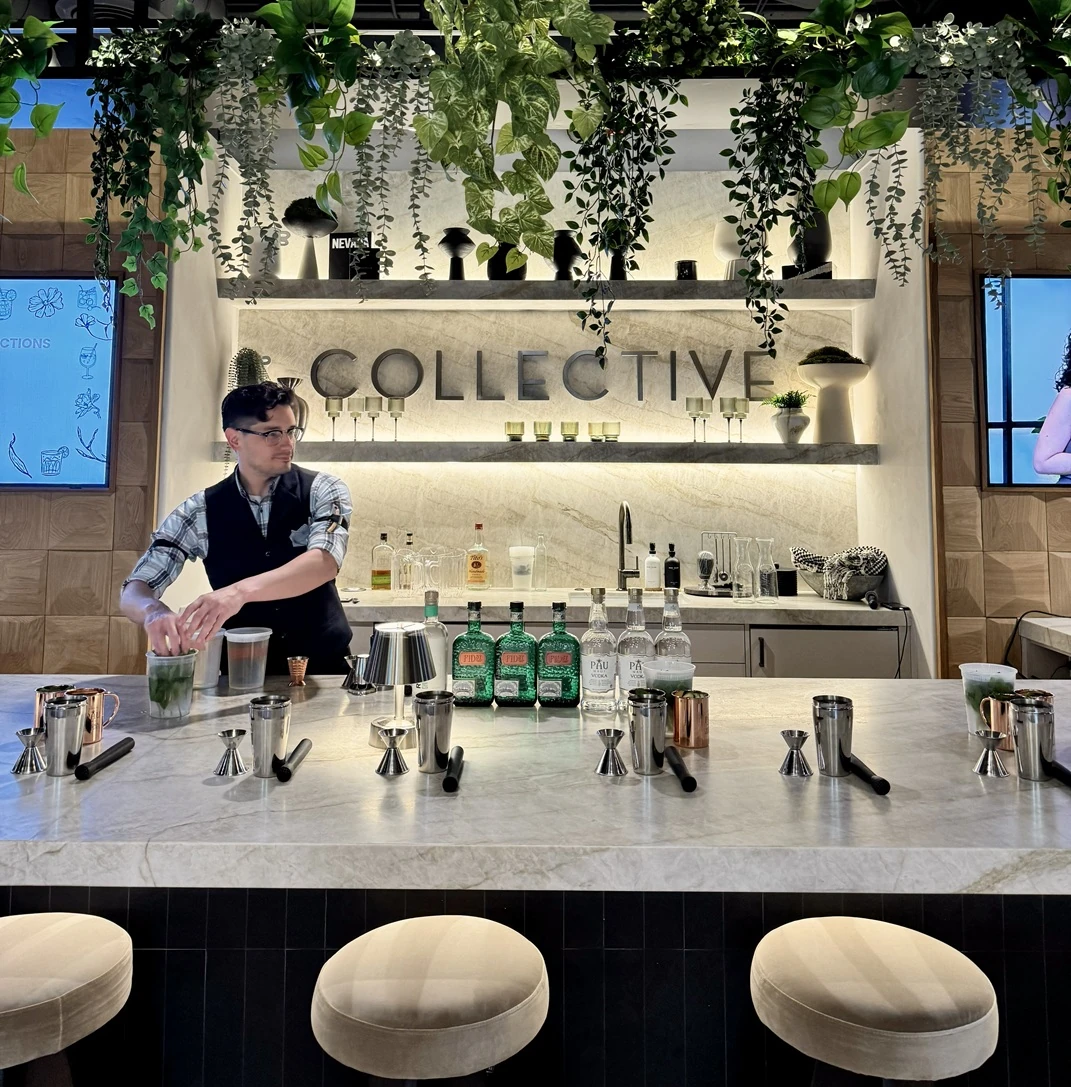
To celebrate the changing seasons, attendees learned how to make refreshing cocktails from the talented bartenders at Nocturno. Those with an eye for floral arranging had a chance to visit the build-a-bouquet station and take home their beautiful creation.

Designed with Connection in Mind

When planning this event, our team thoughtfully designed a comfortable environment where local professional women could be themselves. We aimed to create a setting where guests could have elevated conversations, spark new collaborations or partnerships, and develop friendships, all while crafting an exquisite cocktail, curating a beautiful bouquet, and connecting with an inspired group of their peers.

Women Supporting Women

As a women-owned and WBE-certified marketing agency, MassMedia prides itself on supporting professional women. Hosting this event and partnering with Dress for Success Southern Nevada afforded our team another opportunity to uplift women in our community.

The next Las Vegas Women’s Marketing Collective event, an expert panel discussion, will be held in October 2026. We hope to see you there!

>60

Attendees

74

Clothing donations

>50

Cocktails crafted

>40

Bouquets built

Watch the recap video below.

Discovery call

We can start right now. Simply complete a quick form and we’ll set up a discovery call to dive deep on your business needs.
Beyond Spokespeople: Leaning Into Authentic Storytelling to Connect

Beyond Spokespeople: Leaning Into Authentic Storytelling to Connect

An influencer speaks on camera
February 20, 2026

2026 is here, and one of the things we keep seeing asked across social platforms is whether brand-creator partnerships are becoming oversaturated.

To that, we’d say it depends on the type of brand-creator “partnerships” we’re talking about.

For years, brands have relied on spokespeople (creators and influencers) to simply deliver a message about their brand.

But far too often, many of these have fallen into a category of brand-creator messaging that, after several rounds of revisions, became overexamined and overworked to ensure it “aligned” with brand messaging before getting the stamp of approval.

The result? Content that felt less like a creator’s message and more like a brand script handed to the creator to produce.

In that case, yes, those types of “partnerships” in the brand-creator space are oversaturated and no longer work with audiences because many can see through them, and they’re not looking for perfection in a message but for a perspective.

The one-and-done transactional type of “partnerships” is overdone. What’s replacing it and working are the intentional perspectives brands can get from creators who:

1) Genuinely have a connection to the brand

2) Can speak to it with their own flair

3) Have a story worth sharing that doesn’t feel like a hard sell

When audiences see something as genuinely coming from their favorite creators, they engage differently: they trust the brand more and remember it.

Example of a Brand-Creator Partnership that Worked:

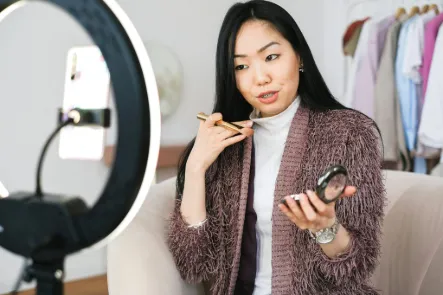
A great example of a brand-creator partnership in action is creator Serena Neel, a Las Vegas influencer who has built her audience by doing things her own way while sharing her lifestyle: Lego building, crafting, makeup tutorials, and giving back to her community.

Cricut, a machine-cutting platform for crafters and DIY-ers, teamed up with Serena for a holiday-themed video on YouTube Shorts that resulted in nearly 8 million views. 

Audiences followed along to see how she used the product, and it felt natural to both her and the brand because she gave a genuine reason for using it: she wanted to DIY holiday gifts for her friends and family.

The video showed the product in action and demonstrated its ease of use (engraving metal knives), but what made it work was that Serena didn’t treat it any differently from her other DIY videos.

There was no long spiel about the brand, just a simple disclosure in the caption that it was an ad and a quick callout of the Cricut name and the accessories she used, while showing off her DIY result, in the style her chaotic, fun-natured viewers were used to seeing from her.

What worked from this example, and what brands and creators can learn, is that people want to hear from real, relatable people.

Audiences want a story they can follow and get invested in, rather than feeling it’s interrupted by a brand’s message that makes it the main focus, when in reality the video is the message, even if it doesn’t call out the brand’s name or product points multiple times.

A great brand-creator partnership works when it works for both parties.

Yes, Serena is a major influencer, but her content is relatable: DIY projects, Walmart shopping trips, giving back to her community, and even just recounting her day-to-day life.

Her relatability is her credibility, and that same authentic storytelling can work for brands when they identify creators who can genuinely speak to their experience with the brand, not simply rehearse a brand message.

Recent Articles

Discovery call

We can start right now. Simply complete a quick form and we’ll set up a discovery call to dive deep on your business needs.
Our Renewed Focus for 2026: Intentional & Relationship-First PR

Our Renewed Focus for 2026: Intentional & Relationship-First PR

What is your story?
February 3, 2026

As the swirl of January and the jump start of the year fades into the steadiness of February and beyond, our Las Vegas public relations team is putting a renewed focus on two important aspects of strategic communication: intention and relationships. 

For PR agencies, the best “fresh start” or “new year” is not a reinvention. It is a recommitment to the fundamentals and best practices that demand and capture the attention of consumers and media alike. When our media and influencer outreach is intentional, purpose-driven, and bespoke, we see better results, higher quality stories, and top-tier placements for the brands we represent. 

Here are three new year intentions that consistently deliver: prioritize quality over quantity, deepen relationships, and tell richer stories that connect brands to the communities they serve. 

Intention 1: Embrace tailored pitching 

Spray-and-pray pitching can feel productive because it creates activity: more emails, bigger lists, more follow-ups. But lots of activity does not correlate to impact. In 2026, inboxes are beyond crowded. We hear from producers and reporters that they receive hundreds of pitches and emails a day. A generic, mass-blast pitch does not just get ignored; it trains a journalist or influencer to skip your future messages (or even block you!). 

Tailored pitching starts with one mindset shift: you are pitching for the audience, not for the brand. That means understanding an outlet’s lane, formats, and timing, then arriving with an angle, not an announcement. A new product, a new location, or a new feature is rarely a story by itself. A solution to a timely problem, a trend with proof, or a community impact with human stakes is. What is the story, why does this specific report care–and more importantly: why should their audience care? 

A simple pre-send check: 

  • Why is this relevant to this specific audience right now? 
  • Why is this brand uniquely qualified to speak to it? 
  • What is the headline or creator hook in one sentence? 
  • Is my spokesperson available for an interview immediately? 

If those answers are fuzzy, the pitch is not ready– or the reporter is not the right target. 

Intention No. 2: Invest in relationships with media and influencers 

PR has always been relationship-driven, but relationships do not “just happen.” They are built through reliability and usefulness. 

With media, that looks like being consistently helpful. Share a data point or trend note even when you are not pitching. Offer a quick source suggestion when you see a story opportunity. Be clear and fast with assets and never miss a deadline. Follow up with respect: short, specific, and easy to answer. It is also about getting to know them on a deeper level, uncovering the human being the reporter–befriending them, connecting with them over coffee or a drink. 

With influencers and creators, relationship-building starts with collaboration. The strongest partnerships come from understanding what a creator’s community trusts them to talk about, then co-creating a story that fits naturally into their content. Treat creators as strategic partners, not distribution channels, and you get fewer posts but better storytelling and stronger audience response. 

Intention No. 3: Lead with community-focused stories that feel authentic 

Consumers are tired of marketing that sounds like marketing; they are getting bombarded with ads during most waking moments of their day. The stories that land, and the stories reporter and producers crave, are the ones rooted in people and place: local partnerships, customer outcomes, employee expertise, and initiatives that show up when no cameras are there. It is stories that lead people that get picked up, and the brand can become a supporting actor in the narrative. This is our focus at MassMedia. We work to humanize a brand by creating real moments of influence.  

Community storytelling is not a charitable add-on. It is a strategic bridge between brand values and audience values. Look for narratives with texture: 

  • Programs that give access, skills, or products, not just a check. 
  • Partnerships that strengthen education, health, small business, or neighborhood life, with measurable outcomes. 
  • Real people who can tell the story in their own words, whether that is a customer, a team member, or a local partner. 

The key is specificity. Whether that be impact or scale depicted by numbers, or the specific anecdote that connects the people to the brand, and beyond. A straight donation is generic. A program that equips families with a tangible resources, paired with a personal story and a next-step call to action, is memorable. Find the story behind the story and tell that. It is our mission to partner with clients to generate goodwill through community-centric authentic connections. 

2026 is the year of intentional storytelling. That’s not to say that has not always been the case, but our team is putting a renewed focus and emphasis on this for the new year. At the core of MassMedia’s PR team is the desire to humanize brands and create profound moments of influence with our clients. It is not about the volume of press clips, the reach of the publication, or the following of the influencers: it is about bespoke storytelling that generate good will, positive publicity and move people to take action.  

Our PR teams in Las Vegas and Phoenix would love to learn more and see how we can tell your brand’s story with intention and purpose. We invest in bringing brands to life by working differently, forging trusting relationships and going beyond spokespeople and placements.  

Recent Articles

Discovery call

We can start right now. Simply complete a quick form and we’ll set up a discovery call to dive deep on your business needs.

Our Top 9 PR Successes of 2025

Our Top 9 PR Successes of 2025

Our Top 9 PR Successes in 2025
December 9, 2025

How We Humanize Brands by Creating Moments of Influence 

Public relations is a different beast than traditional marketing or social media. While marketing pushes messages out, PR pulls people in. We humanize your brand by creating moments of influence – the stories, voices, and personalities that help audiences connect on an emotional level. 

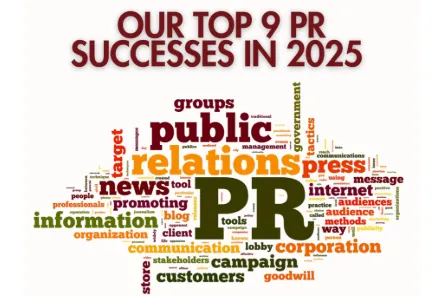
Here are some of our favorite PR successes from 2025 that show how powerful human-centered storytelling can be. 

1. Circus Circus Las Vegas: Introducing Fear Zone

Circus Circus Las Vegas celebrated spooky season by presenting Fear Zone in the Adventuredome. Fear Zone combined terrifying haunted houses, scare zones, live scare actors and a one-of-a-kind coaster experience in the dark for the ultimate fear-filled scream park. We worked with Circus Circus Las Vegas and South of Heaven Productions to secure local press coverage and influencer content highlighting the limited run production. 

Our PR team invited media to Fear Zone previews and VIP tours inside the Adventuredome, as well as offered interview opportunities with Circus Circus leadership and Fear Zone creators. 

The result: Extensive local media coverage and high-impact influencer content positioned Fear Zone as a must-visit Halloween experience at Circus Circus Las Vegas. 

2. Ellis Island Casino & Hotel: Unveiling Phase One of a $35M Expansion

As Ellis Island Casino began working on its $35 million expansion, they approached MassMedia to help announce the first phase. The new space doubles the casino floor, which includes a new casino bar, high-limit gaming area, and the recently announced Boomer’s Sportsbook. The expansion also includes a new rooftop bar, The Deck, with views of Las Vegas Boulevard and seasonal craft cocktails.  

Our PR team announced the expansion by highlighting how the new space would both elevate the property and maintain the history surrounding Las Vegas local’s favorite off-Strip property, securing coverage locally and across industry publications. Additionally, we hosted a variety of influencers at The Deck to highlight the new addition.  

The result: The announcement brought forth both local and national coverage, as well as influencer content, which drove widespread awareness in Ellis Island’s continued expansion.  

3. IndiCap’s “The Ranch”: Telling the Human Side of a Large-Scale Industrial Development

Industrial developments don’t often get associated with people, but that’s exactly where we saw an opportunity. 

When IndiCap and its partners announced The Ranch, a first-of-its-kind industrial-anchored mixed-use development in Gilbert, AZ, we focused on the project’s human impact: 

  • What it means for the community 
  • How it will serve as a gathering place 
  • Its mix of shopping, dining, housing, and an 18-acre green space 

Coverage spanned consumer, trade, and business media, with IndiCap’s Regional VP of Development highlighting how the project was intentionally designed to benefit local residents, not just businesses. 

The result: An industrial development turned into a community story. 


4. Launching Kenerator with Ken Goodrich: Introducing a Leader to New Markets

Ken Goodrich, chairman of Goettl Air Conditioning & Plumbing, is a well-known business leader in the Southwest. But when he launched his newest venture, Kenerator whole-home standby generators, in multiple Sunbelt markets, including Texas and Florida, our goal was to introduce the man behind the brand to audiences who had never met him. 

Our PR team coordinated a mix of media and podcast interviews that allowed Ken to share his personal and professional journey, including his successes, challenges, and reputation for trusted leadership. 

The result: Three successful market launches, each already operating profitably, supported by meaningful storytelling that built familiarity and credibility from day one. 


5. MAC.BID: How Savvy Shoppers are Saving Big

MAC.BID, a liquidation auction site with thirty locations across the country, tasked MassMedia with developing a public relations campaign to raise brand awareness nationally as well as in local markets.  

The campaign focused on value, highlighting MAC.BID’s ability to help shoppers save on everything from toys to home decor to tools and more as American’s struggled with tariffs and inflation. The multipronged approach included paid influencer partnerships, national outreach, and highlighting new openings in local markets.  

The result: A major feature in USA Today highlighting the brand, which was syndicated across multiple local publications, as well as coverage highlighting openings in Macon, Davenport, Hamilton, and more.  


6. Nocturno Cocktail Bar: Bringing a Taste of Mexico City to the Arts District

Nocturno Cocktail Bar opened in the Las Vegas Arts District and sought to stand out from competitors by positioning itself as a leader in the craft cocktail movement. MassMedia was tasked with developing a campaign that helps Nocturno build a national presence and earn World’s 50 Best Bars recognition.  

The kickoff the campaign, MassMedia connected Nocturno with Mexico City’s Rayo, named #87 on World’s 50 Best Bars 2024 and #5 on North America’s 50 Best Bars 2024. Nocturno hosted the Rayo team for a one night pop up event, inviting the Las Vegas community to enjoy a taste of Mexico City.  

The result: A sold-out event introducing Las Vegas to Rayo’s award-winning mixology, cementing Nocturno as a destination for craft cocktails while pairing Nocturno’s name with an internationally recognized cocktail destination.  


7. Organizers Direct Industries: Humanizing a Brand to Grow a National Dealer Network

When Organizers Direct Industries (ODI) partnered with MassMedia to expand brand awareness and recruit new dealers, we built a multi-pillar strategy centered on people, not products. 

First, we positioned the company’s president, Alicia Barker, as the face and voice of ODI. By sharing her background, leadership philosophy, and vision for stylish, high-quality home storage solutions, we secured coverage with national outlets including Bloomberg, NBC News Now, Real Simple, and more. 

Next, we amplified the stories of ODI’s top dealers. Through industry podcasts, trade outlets, and vertical media, we showcased real entrepreneurs reflecting on their partnership with ODI. 

The result: Human storytelling that drove both brand growth and dealer interest. 


8. Primak Construction Group: Bringing a New Brand Name to Life

When longtime client Lou Primak approached us about renaming his construction company after himself, we knew the rebrand needed to do more than change a logo – it needed to reaffirm trust. 

Our PR team built a launch strategy that positioned Lou as the heart of the company, emphasizing that while the name was evolving, the craftsmanship, reputation, and reliability remained the same. 

We delivered widespread coverage across local business, industry, and trade media, with Lou front and center in interviews and podcasts. 

The result: a smooth, confidence-building transition to a new name backed by human credibility. 


9. Sam & Ash Injury Law: Influencing Teens Through Safe-Driving Stories

Sam Mirejovsky and Ash Watkins have always aimed to differentiate themselves by focusing on community impact. This year, we helped bring that mission to life with a campaign centered on teen driver safety. 

Local students were invited to submit short essays on “What Safe Driving Means to Me” for a chance to win prizes, including a brand-new Volkswagen Jetta as the grand prize. 

Our PR strategy highlighted both the emotional and educational benefits of the campaign: 

  • The importance of safe driving for teens 
  • The personal story of the student who received the car 
  • Sam & Ash’s commitment to protecting young drivers 

The result: A feel-good, purpose-driven campaign that positioned Sam & Ash as trusted community advocates.  


Human Stories Create Human Brands 

The common thread in each of these successes is simple but powerful: people connect with people. By weaving the human stories behind the brands and businesses we represent, we create campaigns that resonate, influence, and endure. 

If 2025 has shown us anything, it’s that PR doesn’t just build awareness, it builds relationships. 

Recent Articles

Discovery call

We can start right now. Simply complete a quick form and we’ll set up a discovery call to dive deep on your business needs.

Brand Storytelling That Actually Connects: Humanizing Brands Through Community Moments

Brand Storytelling That Actually Connects: Humanizing Brands Through Community Moments

Humanizing Brands Through Community Moments
October 27, 2025

At MassMedia, we’ve learned that brand storytelling isn’t a script: it’s a relationship. The stories that stick aren’t the ones only delivered in a perfect 30-second spot. They’re the ones your neighbors retell because they lived them: the Saturday when car-seat technicians lined the elementary school parking lot to help parents, the week a local bank quietly funded a “first jobs” night for teens, or the afternoon a library hosted a low-sensory “connection hour” so families could catch their breath. Those small, human moments are where reputations are built and loyalties are formed. 

When we work with brands, we push them to commit to communities in which they do business. Not only does this allow brands to generate positive media and social coverage, it allows brands to deepen relationships with their communities and play the long game of winning over customers and building a pipeline for future ones.

Why community-centric storytelling works

Trust is local, and it’s earned in the open. Consumers oftentimes believe what they can see and touch, not just what they’re told. It’s the difference between a purpose statement and a purpose you can hold in your hands: a helmet that actually fits, a grocery box that arrives when the pantry’s running low, a scholarship award letter on a kitchen table, a teen who leaves a workshop with a real job lead. 

Small moments, when real, travel farther than big promises. A candid photo of a school nurse crouched beside a minivan, teaching a dad how to secure a car seat, says more about a brand’s values than any “We Care” manifesto ever could. It’s the kind of scene neighbors share without being asked. When that happens, you’re no longer buying attention, you’re being invited into the feed, the group chat, and the parent email thread. That’s a very different kind of reach.

Community also creates continuity. Isolated moments become reliable rhythms: quarterly safety clinics, seasonal park cleanups, back-to-school supply drives, annual “first jobs” workshops  or hiring events in partnership with local employers. That cadence powers PR with a steady drumbeat of meaningful stories and gives communities something to count on. Over time, your brand shifts from occasional benefactor to familiar friend.

Most brands already have messages. What they need are memories, shared experiences that make those messages feel true. That requires a different operating system, one that elevates proximity, humility, and consistency over polish.

Building a culture that sustains the work

Programs like these don’t thrive on intent alone; they require internal alignment. The organizations that succeed tend to do a few things well. They empower local teams to act without waiting for an exhaustive approvals chain. They create simple playbooks, lightweight guardrails rather than rigid scripts, so anyone from HR to field ops knows how to raise a hand and mobilize support. They budget for service the way they budget for media and events, understanding that the return shows up in trust, talent attraction, and long-term loyalty.

They also select partners with care. The best collaborators, schools, libraries, youth sports leagues, neighborhood associations, are already hubs of trust. Rather than reinventing the wheel, brands show up to strengthen what’s working. Over time, these relationships become relational capital. When a crisis hits or a need spikes, you’re not a stranger trying to help, you’re a known quantity, already in the room.

Measurement in this model is both quantitative and deeply human. Yes, track the numbers. But also ask, “What changed because we were there?” Did parents leave more confident? Did teens feel seen? Did a community resource gain new momentum? Those answers don’t fit neatly into a dashboard, but they do shape how people talk about you when you’re not in the room—which is the essence of brand.

Looking ahead

Community-centric storytelling isn’t about turning service into spectacle. It’s about letting service become your story, quietly, consistently, credibly. It recognizes that trust accrues the way compound interest does: slowly at first, then all at once. And it accepts that the most valuable brand impressions will never appear in your ad manager. They happen when a parent says to another parent, “They helped us,” or when a teacher tells a reporter, “We couldn’t have done this without them.”

If you’re building a brand and you want to not only make a difference but drive community good will (and generate some positive coverage for it), in Las Vegas or any city, town or metro, start here. Find one small, real need. Show up with humility. Do it again. Over time, those moments become a reputation, and the reputation becomes your best story.

MassMedia is a Las Vegas-based public relations and integrated marketing agency. If you’re ready to evolve your brand story from messaging to memory-making, we’d love to help you design community moments that matter.

Recent Articles

Discovery call

We can start right now. Simply complete a quick form and we’ll set up a discovery call to dive deep on your business needs.
What Does a PR Agency Do? (and why the best external PR teams are experts not vendors)

What Does a PR Agency Do? (and why the best external PR teams are experts not vendors)

What Does a PR Agency Do? (and why the best external PR teams are experts not vendors)
June 6, 2025

There’s a common misconception about what a PR agency actually does. People often imagine media contacts on speed dial, someone who can “get a press release out,” or a team that reacts to crises with a polished statement and a hopeful smile. In reality, public relations—when done well—is much more layered, much more strategic, and infinitely more valuable than a press hit or a short-term visibility boost.

At its core, public relations is about reputation. It’s about relationships—with your customers, your stakeholders, your industry, and the public. And a PR agency’s role is to help you manage, shape, and protect those relationships with intention. But the real value of a PR agency doesn’t come from simply hiring one—it comes from how you use it. Because a PR agency is not a vendor. It’s a partner. And when you treat it like one, that’s when the real transformation begins.

That’s where we come in.

We don’t just pitch stories or write press releases (although we’re pretty great at that). We immerse ourselves in our clients’ business goals, their challenges, their values. We learn the nuances of their market. We assess where they’ve been and where they want to go. Then we build a roadmap that aligns communication with trajectory—because PR is not a one-off tactic; it’s a business tool.

Sometimes that roadmap includes proactive media outreach and thought leadership. Other times it includes crisis communications, internal messaging, stakeholder engagement, or community visibility. Often, it includes all of the above—woven together into a strategy that ensures the brand doesn’t just make noise, but says something meaningful.

In Las Vegas and throughout the Southwest, this kind of strategic communications is especially critical. Our markets are fast-moving, interconnected, and filled with people who value authenticity. The way a brand shows up in the media, in the community, and in conversations matters deeply. That’s why we don’t operate at the surface level. We go deep—helping our clients craft narratives that reflect who they truly are and then amplifying those narratives through the right channels at the right time.

But again, that impact only happens when the relationship is built on trust and collaboration. The best agency relationships aren’t transactional—they’re transformative. That means access, alignment, and shared ambition. We can’t be expected to do our best work if we’re kept on the sidelines, only looped in once decisions have already been made. We thrive when we’re embedded, consulted early, and empowered to bring insight—not just output.

And we don’t just want to “get you press.” We want to protect your reputation, elevate your voice, and create lasting momentum. We want to help you think bigger about how communication touches every part of your business. Because it does. From the way your CEO speaks to investors to the way your frontline employees talk about the brand, communication either strengthens your business or weakens it. There is no neutral.

If you’re looking for a PR agency in Las Vegas—or anywhere across the Southwest—what you should really be looking for is a team that doesn’t just work for you, but with you. A team that brings not only tactical support, but strategic foresight. A team that understands when to lead, when to advise, and when to push back in service of your brand’s best interest.

That’s what we do. That’s what the right PR agency does. And if you’re ready to stop outsourcing communication and start managing it—really managing it—then you’re ready for a partner, not a vendor.

Discovery call

We can start right now. Simply complete a quick form and we’ll set up a discovery call to dive deep on your business needs.

How PR Can Mitigate Deep Fakes

How PR Can Mitigate Deep Fakes

How PR Can Mitigate Deep Fakes
May 6, 2025

How Proactive and Reactive PR Tactics Can Safeguard Your Brand from Deepfake Scandals

In an era where artificial intelligence can fabricate hyper-realistic videos and audio, deepfakes have emerged as a significant threat to individuals and organizations alike. The recent misuse of AI-generated deepfakes involving Goldman Sachs executives Abby Joseph Cohen and David Kostin underscores the potential reputational damage such fabrications can inflict. Similarly, legal challenges, such as Elon Musk’s social media platform X suing Minnesota over its deepfake law, highlight the complex interplay between technology, free speech, and regulation.

To navigate this evolving landscape, organizations must employ both proactive and reactive public relations (PR) strategies to mitigate the risks associated with deepfakes.

Proactive PR involves anticipating potential crises and establishing measures to prevent or lessen their impact. Proactive PR will build the shield before the storm. In the context of deepfakes, this means:

  1. Educating Stakeholders: Regularly inform employees, clients, and the public about the existence and risks of deepfakes. Awareness campaigns can empower stakeholders to critically assess digital content and recognize potential fabrications.
  2. Establishing Verification Protocols: Implementing systems to verify official communications can help distinguish genuine messages from deepfakes. This might include digital signatures or watermarks on official videos and statements.
  3. Monitoring Digital Platforms: Utilize advanced monitoring tools to detect unauthorized or suspicious content featuring company representatives. Early detection allows for swift action to counteract misinformation.
  4. Developing Crisis Communication Plans: Prepare detailed response strategies for potential deepfake incidents. These plans should outline the steps to take when a deepfake is identified, including internal communication protocols and public response measures.

By laying this groundwork, organizations can reduce the likelihood of a deepfake causing significant harm and ensure readiness to respond effectively if one does surface.

Despite the best proactive measures, deepfakes can still emerge, necessitating a reactive PR approach. Key steps include:

  1.  Swift Public Denial and Clarification: Immediately address the deepfake, clarifying that the content is fabricated. Transparency is crucial to maintain public trust.
  2. Engaging with Media Outlets: Work closely with journalists and media platforms to disseminate accurate information and counteract the spread of the deepfake.
  3. Legal Action: Pursue legal avenues against the creators and distributors of the deepfake. This not only seeks justice but also signals to the public and stakeholders that the organization takes such matters seriously.
  4. Internal Communication: Keep employees informed about the situation and the steps being taken. This ensures a unified message and prevents internal misinformation.

For instance, in the case of the Goldman Sachs executives, a prompt and transparent response would be essential to reassure clients and stakeholders of the video’s inauthenticity and the company’s commitment to integrity.

The legal landscape surrounding deepfakes is still evolving. The lawsuit filed by X against Minnesota’s deepfake law illustrates the tension between combating misinformation and protecting free speech. Organizations must navigate these legal complexities carefully, ensuring that their PR strategies align with current laws and advocate for regulations that address the challenges posed by deepfakes without infringing on fundamental rights.

Deepfakes represent a formidable challenge in the digital age, with the potential to cause significant reputational and operational damage. By implementing comprehensive proactive and reactive PR strategies, organizations can better protect themselves against such threats. Staying informed about technological advancements and legal developments is essential to adapt and respond effectively in this dynamic environment.

Discovery call

We can start right now. Simply complete a quick form and we’ll set up a discovery call to dive deep on your business needs.

Why Choosing a Public Relations Agency That Takes Relationships Seriously is Essential for Your Brand

Why Choosing a Public Relations Agency That Takes Relationships Seriously is Essential for Your Brand

Why Choosing a Public Relations Agency That Takes Relationships Seriously is Essential for Your Brand
March 26, 2025

Human-to-human connection is more important than ever. And while that’s always been at the core for many marketers and those in the public relations space, it hasn’t been held to the same regard as it was intended to be. From the media and influencers we pitch, to the clients we partner with, to the teams we assemble, creating exceptional relationships not only makes the work more enjoyable, it makes the work better. It’s also what makes this Las Vegas-based PR firm the best.

Success now hinges on the strength of relationships—whether with the media, your target audience, or key industry influencers. A public relations firm that takes relationships seriously can offer more than just coverage; they become trusted partners in building your brand’s reputation and long-term success.

One of the most powerful aspects of working with a PR firm that prioritizes relationships is the authentic advocacy they can provide for your brand. PR professionals who take the time to nurture relationships with journalists, influencers, and other media outlets create real opportunities for your brand. The media landscape is full of noise, but when your PR firm has strong, trusting connections with journalists, those connections can open doors for your brand to receive genuine, compelling coverage. This isn’t just about getting your brand in front of more people—it’s about having the right people advocating for your message. It’s important to note that a relationship can only get someone so far, we must have relevant and impactful stories to tell. So this isn’t to say a relationship can make a story happen, but a lack of a relationship can sure help not happen.

Additionally, the nature of customer relationships has evolved alongside the media. Today, consumers are more likely to support and remain loyal to brands they feel a personal connection with. Las Vegas PR firms and beyond that take relationships seriously understand the importance of creating these emotional connections. It’s not just about selling a product or promoting a service—it’s about creating a narrative that resonates with your audience on a deeper level. When your PR firm focuses on the long-term engagement of your customers, they help turn your audience into brand advocates. Loyal customers are more likely to engage with your content, share their experiences with others, and, crucially, continue to support your brand over time.

The right public relations firm and team also holds paramount their relationship with their clients. Earning the trust of a client is key to the success of any long-term partnership. The right public relations firm not only brings strategy and expertise to the table, but also places the highest value on building and maintaining strong relationships with its clients. At the heart of any successful PR effort is trust—without it, collaboration falters and communication breaks down. A firm that prioritizes genuine connection and open dialogue is better positioned to understand a client’s goals, anticipate their needs, and represent them authentically. Earning that trust isn’t a one-time achievement; it’s an ongoing commitment that requires transparency, consistency, and a deep respect for the client’s vision. Ultimately, it is this foundation of trust that fuels meaningful, long-term partnerships and drives impactful results.

And to make those impactful results come to life is ultimately up to a well-oiled agency team, working as a symphony, in harmony, to execute killer work on behalf of our clients. The team environments we foster at MassMedia go beyond surface level, truly getting to the core of what makes each one of us tick and what makes us motivated. Our firm believes that great work doesn’t happen in a vacuum. It’s born from collaboration, trust, and a deep understanding of one another’s strengths, passions, and even quirks. What motivates them? What drives their creativity? What makes them feel supported and inspired? By investing in these deeper connections, we create a culture where people feel seen, valued, and empowered to bring their best selves to every project. That’s what allows us to move in sync—not just working together, but thriving together—and delivering the kind of results that leave a lasting impression.

Working with a PR firm that values relationships over transactional interactions can make a significant difference in your brand’s success (and our success, frankly!). This relationship-first mindset extends beyond our clients—it’s woven into how we engage with media partners and how we collaborate internally. We believe strong media relationships are built on mutual respect and reliability, not one-off pitches. And within our own walls, we prioritize team dynamics that go deeper than job titles, tapping into each individual’s passions and strengths to create a truly united front.

When all those relationships are strong, the work speaks for itself.

Discovery call

We can start right now. Simply complete a quick form and we’ll set up a discovery call to dive deep on your business needs.