Month: February 2026
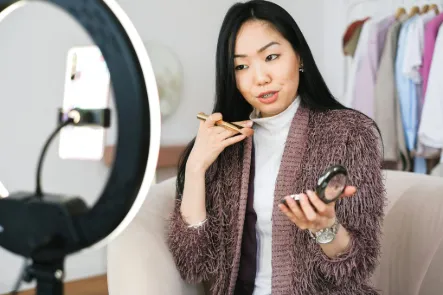

Three Social Trends & Takeaways That Can Shape Your Social Approach in 2026
Posted on by Ryan
Three Social Trends & Takeaways That Can Shape Your Social Approach in 2026
February 5, 2026
Mariana Weber, Senior Social Media Strategist
One month into 2026, the year is already shaping up to shift how and when brands show up on social media to appeal to and engage with audiences.
Gone are the days when a simple, regular posting cadence could draw in fans and spark renewed interest in a brand.
Today’s social approach demands more.
Brands that are willing to go the extra mile and truly lean into emerging trends will have the best chance of connecting with audiences—staying not just top of mind, but actively engaged—especially at a time when passive social media consumption has become the norm for many consumers.
Below are three social trends and takeaways to consider as you plan out content for this year:
Lean into Comfort and Nostalgia to Drive Future Intent: If you look at any 2026 social trend reports, you’ll see some iteration of nostalgia becoming a renewed focus for social brands and platforms.
Pinterest highlighted this as “the throwback kid” in its Pinterest Predicts report at the end of 2025, noting that brands can approach childhood favorites with a twist on upcycled and vintage-inspired themes.
“2026 is the new 2016” was the first major social trend on Instagram earlier in January, with several brands and creators, including Alaska Airlines, GaryVee, Instagram, and our own Moon Valley Nurseries, sharing what their social presence looked like 10 years ago.
Another recent trend on social is legacy brands reframing their own IP to showcase their ability to connect with new and old fans, like the Disney+ social team, which got legal clearance to cut the entire High School Musical film into a 52-part video series on TikTok, drawing nearly 57 million views in two weeks to celebrate its 20th anniversary and encourage viewers to watch the entire movie series by signing up for the streamer.
Takeaway: Lean into what makes your brand a longstanding version of itself. Audit your brand’s story by digging into the why of your brand: the story of how it came to be, the people behind it, or how it can live within your audience’s experiences for years to come.
Remember, Your Audience is Human: AI and its capabilities dominated social media discussions in 2025, with brands weighing the pros and cons. While emerging tech can be exciting for industries, a new standard emerged toward the end of the year: brands taking a stand on whether they were comfortable incorporating AI within their content.
Brands like Sweetgreen are making it a normal occurrence to show the behind-the-scenes of content shoots as proof of concept and action.
Aerie made a promise on Instagram to stay “100% real” to its customers in one of its top-liked posts after a competitor was revealed to have used AI-generated models in a campaign.
And brands like Polaroid have supported new product launches, like the Polaroid Flip, with social campaigns that emphasize “instant photography over instant gratification,” including its Unplugged photo series that introduces community-based walking groups across the country that encourage connection and unplugging from the digital world, even if just for an afternoon.
Takeaway: Authentic isn’t just a buzzword when it has something to stand on. In a world where everything can be questioned, especially on social media, showing the behind-the-scenes process and the people involved can be an advantage that builds trust among viewers.
AI isn’t a dirty word or use case, but people want to understand how it’s being used in the content they support.
Treat Social as a Spectator Sport: Maybe it’s because the Olympics are top of mind as we near the Opening Ceremony, but there’s something to be said for watching content that makes you feel like a fly on the wall. That’s a new approach to social that creators and brands are looking towards to change up the feed.
There’s no overly scripted explanation or direct-to-camera talking to the audience. Instead, creators are taking the audience with them.
It’s something we’ve seen in iterations from creators and brands before, like Sofie Pavitt Face, an acne care beauty brand, and Benz & Bowties, a sales manager at a Ohio Mercedes-Benz dealership, who take audiences with them on client (showing product use cases) and employee-driven conversations, helping educate without it feeling overly sales-heavy.
Recently, Modern Animal has shown what that could look like from the service perspective, shifting how some businesses share their client experience by letting the audience actually be in the room and around the office with them for each new episode: getting to know the clinic, the staff, and the adorable guest appearances of cats and dogs. This helps build trust in the clinic’s staff and expertise, as well as buy-in for the brand and its services.
Takeaway: Posted content doesn’t have to be “perfect” to be posted. However, posting should always be done with intention.
Every post can be improved with a few more hours dedicated to it, but what audiences want to see are the real moments and use cases of a product, presented in an engaging, ownable way that takes them through the why and how, not just the what.
Recent Articles
Featured
Who Really Controls the Brand? Highlights from the Las Vegas Women’s Marketing Collective
Read More »
October 16, 2026
Featured
September 22, 2026
Discovery call
We can start right now. Simply complete a quick form and we’ll set up a discovery call to dive deep on your business needs.
Our Renewed Focus for 2026: Intentional & Relationship-First PR
Posted on by jguffey@massmediacc.com
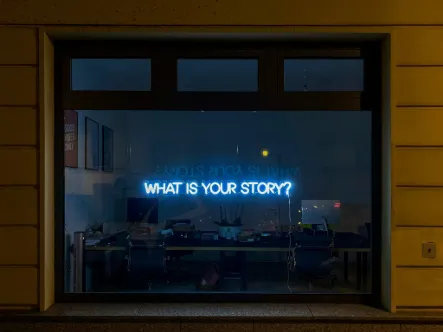
Our Renewed Focus for 2026: Intentional & Relationship-First PR
February 3, 2026
Matt Swope, VP of Public Relations
As the swirl of January and the jump start of the year fades into the steadiness of February and beyond, our Las Vegas public relations team is putting a renewed focus on two important aspects of strategic communication: intention and relationships.
For PR agencies, the best “fresh start” or “new year” is not a reinvention. It is a recommitment to the fundamentals and best practices that demand and capture the attention of consumers and media alike. When our media and influencer outreach is intentional, purpose-driven, and bespoke, we see better results, higher quality stories, and top-tier placements for the brands we represent.
Here are three new year intentions that consistently deliver: prioritize quality over quantity, deepen relationships, and tell richer stories that connect brands to the communities they serve.
Intention 1: Embrace tailored pitching
Spray-and-pray pitching can feel productive because it creates activity: more emails, bigger lists, more follow-ups. But lots of activity does not correlate to impact. In 2026, inboxes are beyond crowded. We hear from producers and reporters that they receive hundreds of pitches and emails a day. A generic, mass-blast pitch does not just get ignored; it trains a journalist or influencer to skip your future messages (or even block you!).
Tailored pitching starts with one mindset shift: you are pitching for the audience, not for the brand. That means understanding an outlet’s lane, formats, and timing, then arriving with an angle, not an announcement. A new product, a new location, or a new feature is rarely a story by itself. A solution to a timely problem, a trend with proof, or a community impact with human stakes is. What is the story, why does this specific report care–and more importantly: why should their audience care?
A simple pre-send check:
- Why is this relevant to this specific audience right now?
- Why is this brand uniquely qualified to speak to it?
- What is the headline or creator hook in one sentence?
- Is my spokesperson available for an interview immediately?
If those answers are fuzzy, the pitch is not ready– or the reporter is not the right target.
Intention No. 2: Invest in relationships with media and influencers
PR has always been relationship-driven, but relationships do not “just happen.” They are built through reliability and usefulness.
With media, that looks like being consistently helpful. Share a data point or trend note even when you are not pitching. Offer a quick source suggestion when you see a story opportunity. Be clear and fast with assets and never miss a deadline. Follow up with respect: short, specific, and easy to answer. It is also about getting to know them on a deeper level, uncovering the human being the reporter–befriending them, connecting with them over coffee or a drink.
With influencers and creators, relationship-building starts with collaboration. The strongest partnerships come from understanding what a creator’s community trusts them to talk about, then co-creating a story that fits naturally into their content. Treat creators as strategic partners, not distribution channels, and you get fewer posts but better storytelling and stronger audience response.
Intention No. 3: Lead with community-focused stories that feel authentic
Consumers are tired of marketing that sounds like marketing; they are getting bombarded with ads during most waking moments of their day. The stories that land, and the stories reporter and producers crave, are the ones rooted in people and place: local partnerships, customer outcomes, employee expertise, and initiatives that show up when no cameras are there. It is stories that lead people that get picked up, and the brand can become a supporting actor in the narrative. This is our focus at MassMedia. We work to humanize a brand by creating real moments of influence.
Community storytelling is not a charitable add-on. It is a strategic bridge between brand values and audience values. Look for narratives with texture:
- Programs that give access, skills, or products, not just a check.
- Partnerships that strengthen education, health, small business, or neighborhood life, with measurable outcomes.
- Real people who can tell the story in their own words, whether that is a customer, a team member, or a local partner.
The key is specificity. Whether that be impact or scale depicted by numbers, or the specific anecdote that connects the people to the brand, and beyond. A straight donation is generic. A program that equips families with a tangible resources, paired with a personal story and a next-step call to action, is memorable. Find the story behind the story and tell that. It is our mission to partner with clients to generate goodwill through community-centric authentic connections.
2026 is the year of intentional storytelling. That’s not to say that has not always been the case, but our team is putting a renewed focus and emphasis on this for the new year. At the core of MassMedia’s PR team is the desire to humanize brands and create profound moments of influence with our clients. It is not about the volume of press clips, the reach of the publication, or the following of the influencers: it is about bespoke storytelling that generate good will, positive publicity and move people to take action.
Our PR teams in Las Vegas and Phoenix would love to learn more and see how we can tell your brand’s story with intention and purpose. We invest in bringing brands to life by working differently, forging trusting relationships and going beyond spokespeople and placements.
Recent Articles
Featured
Who Really Controls the Brand? Highlights from the Las Vegas Women’s Marketing Collective
Read More »
October 16, 2026
Featured
September 22, 2026
Discovery call
We can start right now. Simply complete a quick form and we’ll set up a discovery call to dive deep on your business needs.