Brand Storytelling That Actually Connects: Humanizing Brands Through Community Moments
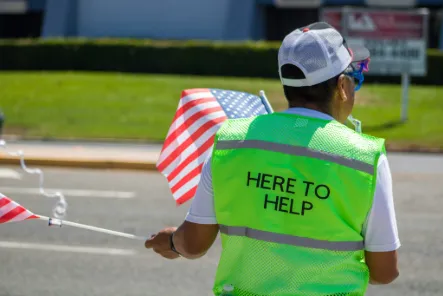
At MassMedia, we’ve learned that brand storytelling isn’t a script: it’s a relationship. The stories that stick aren’t the ones only delivered in a perfect 30-second spot. They’re the ones your neighbors retell because they lived them: the Saturday when car-seat technicians lined the elementary school parking lot to help parents, the week a local bank quietly funded a “first jobs” night for teens, or the afternoon a library hosted a low-sensory “connection hour” so families could catch their breath. Those small, human moments are where reputations are built and loyalties are formed.
When we work with brands, we push them to commit to communities in which they do business. Not only does this allow brands to generate positive media and social coverage, it allows brands to deepen relationships with their communities and play the long game of winning over customers and building a pipeline for future ones.
Why community-centric storytelling works
Trust is local, and it’s earned in the open. Consumers oftentimes believe what they can see and touch, not just what they’re told. It’s the difference between a purpose statement and a purpose you can hold in your hands: a helmet that actually fits, a grocery box that arrives when the pantry’s running low, a scholarship award letter on a kitchen table, a teen who leaves a workshop with a real job lead.
Small moments, when real, travel farther than big promises. A candid photo of a school nurse crouched beside a minivan, teaching a dad how to secure a car seat, says more about a brand’s values than any “We Care” manifesto ever could. It’s the kind of scene neighbors share without being asked. When that happens, you’re no longer buying attention, you’re being invited into the feed, the group chat, and the parent email thread. That’s a very different kind of reach.
Community also creates continuity. Isolated moments become reliable rhythms: quarterly safety clinics, seasonal park cleanups, back-to-school supply drives, annual “first jobs” workshops or hiring events in partnership with local employers. That cadence powers PR with a steady drumbeat of meaningful stories and gives communities something to count on. Over time, your brand shifts from occasional benefactor to familiar friend.
Most brands already have messages. What they need are memories, shared experiences that make those messages feel true. That requires a different operating system, one that elevates proximity, humility, and consistency over polish.
Building a culture that sustains the work
Programs like these don’t thrive on intent alone; they require internal alignment. The organizations that succeed tend to do a few things well. They empower local teams to act without waiting for an exhaustive approvals chain. They create simple playbooks, lightweight guardrails rather than rigid scripts, so anyone from HR to field ops knows how to raise a hand and mobilize support. They budget for service the way they budget for media and events, understanding that the return shows up in trust, talent attraction, and long-term loyalty.
They also select partners with care. The best collaborators, schools, libraries, youth sports leagues, neighborhood associations, are already hubs of trust. Rather than reinventing the wheel, brands show up to strengthen what’s working. Over time, these relationships become relational capital. When a crisis hits or a need spikes, you’re not a stranger trying to help, you’re a known quantity, already in the room.
Measurement in this model is both quantitative and deeply human. Yes, track the numbers. But also ask, “What changed because we were there?” Did parents leave more confident? Did teens feel seen? Did a community resource gain new momentum? Those answers don’t fit neatly into a dashboard, but they do shape how people talk about you when you’re not in the room—which is the essence of brand.
Looking ahead
Community-centric storytelling isn’t about turning service into spectacle. It’s about letting service become your story, quietly, consistently, credibly. It recognizes that trust accrues the way compound interest does: slowly at first, then all at once. And it accepts that the most valuable brand impressions will never appear in your ad manager. They happen when a parent says to another parent, “They helped us,” or when a teacher tells a reporter, “We couldn’t have done this without them.”
If you’re building a brand and you want to not only make a difference but drive community good will (and generate some positive coverage for it), in Las Vegas or any city, town or metro, start here. Find one small, real need. Show up with humility. Do it again. Over time, those moments become a reputation, and the reputation becomes your best story.
MassMedia is a Las Vegas-based public relations and integrated marketing agency. If you’re ready to evolve your brand story from messaging to memory-making, we’d love to help you design community moments that matter.
Recent Articles
Who Really Controls the Brand? Highlights from the Las Vegas Women’s Marketing Collective
Read More »
Discovery call
We can start right now. Simply complete a quick form and we’ll set up a discovery call to dive deep on your business needs.