The New Media Map: Where Smart Ad Budgets Go Next

The New Media Map: Where Smart Ad Budgets Go Next
The New Media Map: Where Smart Ad Budgets Go Next
October 13, 2026

The media map is being redrawn

Media planning used to be simple. Social created demand. Search caught intent. Display and online video filled in the gaps, and linear TV did the heavy lifting for brands with big budgets. The names on the invoices changed a little from year to year, but the shape of the plan stayed the same.

That shape is breaking. Two forces are pulling budget away from the classic media mix and toward a new set of channels that most media plans still treat as “test budget” line items.

Search is fragmenting. The Google search box is no longer the only place people look for answers. They ask chatbots, browse maps apps and dig through online communities, and each of those moments now has a paid layer. Ads inside ChatGPT went from launch to a billion-dollar run rate in roughly seven months, and Apple Maps started selling ads in August.

Commerce data is going everywhere. Retailers know what people actually buy, not just what they click. Amazon and Walmart have turned that knowledge into full-funnel ad businesses that reach far beyond their own websites, onto streaming TV, the open web and even the screens inside physical stores. Delivery apps, banks and travel brands are following the same playbook.

This guide is organized around those two shifts. Part 1 covers search: ChatGPT, Google AI Mode, Apple Maps and Reddit. Part 2 covers retail and commerce media: Amazon DSP, Walmart Connect, the delivery apps and the streaming inventory they sell. After that, we look at how these channels fit a digital marketing strategy across industries, and share a practical framework for testing any new channel without wasting budget. It’s the same playbook we use as a digital marketing agency when clients ask where their next dollar should go.

One caveat: these channels are moving fast. Minimum spends, ad formats, and country availability have changed several times in 2026 alone. Treat the specifics below as a snapshot as of October 2026, and check each platform’s current documentation before you build a plan around it.

Part 1: Search is fragmenting


For two decades, “search” meant typing keywords into Google. Today the same intent is spread across LLMs, maps apps and online communities. People ask ChatGPT for advice, open Apple Maps when they’re ready to visit, and add “reddit” to a query when they want real opinions. Each of those moments now has a paid layer, an organic layer, or both. A modern digital marketing strategy has to cover all of them.

ChatGPT: advertising inside the answer

ChatGPT is the fastest-growing new ad channel of 2026, and also the least proven. OpenAI published its ads principles on January 16, 2026 and began running paid ads in the US on February 9. By August 31, the company said ChatGPT Ads had passed a $1 billion annualized revenue run rate, was used by tens of thousands of advertisers, and was available in more than 40 countries.

How the ads work

ChatGPT ads appear as a clearly labeled sponsored card that sits beneath the AI’s answer, not inside it. OpenAI matches ads to the topic of the current conversation, and it has publicly committed that advertising does not influence the answers ChatGPT gives and that conversations are not shared with advertisers (and, as advertisers on the platform, we can confirm). Ads run only for users on the Free tier and the low-cost Go plan. Plus, Pro, Business, Enterprise and Edu users don’t see them, which requires deeper thought and strategy around audience alignment.

Targeting is contextual rather than keyword-based. Instead of bidding on “running shoes,” you’re effectively bidding on conversations about training for a first marathon. The intent signal is richer than a keyword, but it’s also harder to plan against, because there’s no keyword report showing exactly what people typed. A newer format lets brands share product feeds with OpenAI so relevant products can surface in shopping conversations.

What it costs

The price of entry has fallen fast. At launch, OpenAI priced ads at roughly a $60 CPM with commitments around $200,000. In April it launched a self-serve Ads Manager and cut the minimum to $50,000. In May, it added cost-per-click bidding, a measurement pixel and a Conversions API. Ad-tech partners have pushed entry costs lower still.

Why marketers are paying attention

ChatGPT is used by nearly three-quarters of the roughly 153 million US adults who use generative AI, and it accounts for about 70% of AI assistant traffic, according to figures EMARKETER compiled in June. Conversations also reveal intent in a way keywords rarely do. Someone who writes “I have a 12-year-old Honda with 150,000 miles, should I fix the transmission or buy something new?” has told you their budget pressure, timeline and decision stage in one message.

The caveats

Measurement is the weak point. Early advertisers got little beyond impressions. Click pricing, the pixel and a LiveRamp partnership are meant to fix that, but the tooling is months old. Trust is the other risk: a January 2026 Ipsos survey found 63% of US adults said ads in AI search results would make them trust the output less. And EMARKETER expects ads in AI chatbots to stay under $1 billion in total 2026 revenue, a rounding error next to search.

How to approach it

  • Buy on clicks where you can. CPC pricing gives you something to compare against your search benchmarks.
  • Craft careful copy. An ad under an answer competes with the answer. Lead with a specific, useful message, not a brand slogan.
  • Invest in organic visibility. What ChatGPT says about your brand in its unpaid answers probably matters more than any ad today. Earned media clips feed LLMs as credible sources about your brand, making public relations efforts more important than ever.
  • Treat it as learning budget. The goal of a test is to understand the audience and general performance, not to hit a scaled ROAS target. Learn from the campaign before deciding if the channel stays in the mix.
 

Google AI Mode: Google’s answer to the answer engine

ChatGPT isn’t the only answer engine selling ads. Google has been showing ads in AI Overviews for some time, and at Google Marketing Live in May 2026 it introduced new ad formats for AI Mode, its conversational search experience.

  • Conversational Discovery ads use Gemini to write ad copy tailored to the user’s prompt, drawing on a brand’s own site and assets.
  • Highlighted Answers place offers inside AI-generated recommendation lists.
  • AI-powered Shopping ads add short explanations of why a product fits what the shopper asked for.
 

A tool called AI Brief lets advertisers emphasize or remove phrases in the AI-written copy. Google is also testing a Business Agent for Leads, which lets people ask a brand’s AI agent questions directly in search.

The practical difference from ChatGPT is access. You don’t buy AI Mode as a separate channel. Eligibility runs through Performance Max, AI Max for Search, Shopping and broad match campaigns you may already be running. That makes it easy to start but hard to isolate. If you want to know how AI Mode performs, push for placement-level reporting and watch your search term data closely. And because Gemini writes the ad from your materials, clean product data and clear site content matter more than ever.

Apple Maps: paid placement at the moment of the visit

Apple Maps is the most local channel on this list, and for businesses with physical locations it may be the easiest win. After thirteen years without ads, Apple Maps began showing sponsored listings to iPhone and iPad users in the US and Canada in late August 2026, with the rollout ramping through the following weeks.

The move had been coming for a while. Apple rebranded “Apple Search Ads” to simply “Apple Ads” in April 2025, a clear sign it planned to sell inventory beyond the App Store. In March 2026 it announced Apple Business, a single platform that replaced Business Connect, Business Manager and Business Essentials, and confirmed Maps ads would be part of it. Adweek reported that Apple’s ad business was on pace for about $8.5 billion in 2026.

How the ads work

There are two placements. Before someone types anything, a sponsored business can appear at the top of Suggested Places. After they search, a relevant sponsored listing can appear at the top of the results, with only one ad per search. The ads look like ordinary listings with a small blue “Ad” badge, and users can’t turn them off.

Advertisers bid in an auction and pay for outcomes such as views or taps. Any business with a physical location and a claimed Apple Maps listing is eligible. Campaigns can be built through Apple Business with largely automated creative, or through Apple Ads for more control over scheduling and geo-targeting. Apple also offered an introductory 15% credit toward future spend, on up to $1,000 a month during the first year.

Privacy is the defining difference from Google Maps. Apple says a user’s location and ad interactions aren’t tied to their Apple Account, and no data is shared with third parties. Targeting relies on the search, approximate location and map view, not a behavioral profile. Some categories are off limits: home services, bail bonds and crypto ATMs can’t advertise in Maps, and medical services are reviewed case by case.

Why it matters

Every iPhone ships with Apple Maps as the default, and Siri and CarPlay route through it. Local searches are some of the most commercially valuable there are. Someone searching “tire shop” or “sushi” is often deciding on their final destination in minutes. For restaurants, retailers, auto services, gyms, banks and hotels, Maps ads add a second local-search channel while auctions are still thin.

The caveats and how to approach it

The ad load is light by design, and reporting is limited by Apple’s privacy model.

  • Audit your listings first. Claim every location in Apple Business and fix hours, categories, photos and phone numbers. The ad pulls from the listing.
  • Start with visit-driven categories such as food, auto, retail and fitness.
  • Measure with visits and calls. Use store-visit studies and call tracking rather than click attribution.
 

Reddit: where people search for real opinions

Reddit belongs in a conversation about search, not just social. It has become the place people go when they don’t trust polished marketing content, and that behavior shows up in two ways.

People search Reddit directly. Many people add “reddit” to Google queries such as “best running shoes reddit” to find candid opinions from real users. Reddit has also built its own AI search, Reddit Answers, which summarizes community discussions in response to questions.

AI answers draw on Reddit. Both Google and OpenAI have struck data deals with Reddit, and AI tools frequently cite Reddit threads when recommending products or services — on Google, Reddit content accounts for over 21% of all AI Overview citations. A thread comparing three brands of mattresses, or describing a bad experience with a local contractor, can shape what an answer engine tells the next person who asks.

That makes Reddit an organic visibility priority first. Monitor the communities where your category is discussed, answer questions honestly from a clearly identified brand account, and fix real problems people raise. Heavy-handed promotion backfires quickly — Reddit users are quick to call it out.

Paid ads come second. Reddit’s ad products work more like social ads than search ads, but they let you reach people mid-research by targeting specific communities and conversation topics. Promoted posts that read like genuinely useful contributions tend to perform best. For considered purchases, such as tech, finance, travel, healthcare and home services, Reddit ads are a sensible way to show up where people are already comparing options.

Part 2: Commerce data is going everywhere


Retail media started as sponsored product listings on a retailer’s own website, evolved into screens at the point of sale, and has since become something much bigger. Companies that know what people actually buy, such as retailers, delivery apps, banks and travel brands, now sell ads against that data across streaming TV, the internet, and other digital placements. The broader term for this is commerce media, and in an IAB survey, advertisers rated it as essential to their plans as often as they rated connected TV.

Two platforms lead the category, and a growing group of challengers is close behind.

Amazon DSP: shopper data, pointed at the whole internet

The Amazon DSP is no longer just a way to retarget people who looked at your product on Amazon. It has become one of the most important programmatic buying platforms in the market, especially for connected TV. Spend on Amazon DSP grew 67% year over year in Q2 2026, up from 41% in Q1, according to Tinuiti’s Q2 2026 benchmark report, which covers more than $4 billion in managed spend. Amazon’s total ad revenue hit $21.3 billion in Q4 2025, up 22%.

A demand-side platform lets you buy ads across many publishers from one place. Amazon’s is different because of the data behind it; it leverages signals from hundreds of millions of shopping, streaming and device interactions, plus the ability to tie ad exposure back to purchases. Three moves in the past two years turned it into a mainstream media platform.

  • Prime Video ads. Making ads the default on Prime Video in 2024 gave Amazon one of the largest ad-supported streaming audiences in the US overnight.
  • Roku. An exclusive 2025 deal lets Amazon DSP recognize logged-in viewers across Roku and Fire TV, reaching an estimated 80 million US connected TV households, more than 80% of the total. Roku said early users reached 40% more unique viewers on the same budget while cutting ad frequency by nearly 30%.
  • Netflix. Since Q4 2025, advertisers can buy Netflix’s ad-supported inventory through Amazon DSP in about a dozen countries. Amazon’s discounted fees on third-party streaming inventory mean it can sometimes be cheaper to buy Netflix this way than directly.
 

The pitch is commerce data meets TV-scale reach. You can build an audience of people who bought a competing product in the last 90 days, show them a Netflix or Prime Video spot, follow up with retargeting, and measure the result in sales. For brands that sell on Amazon, closed-loop reporting connects ads to purchases and new-to-brand customers. For brands that don’t, Amazon Marketing Cloud, its clean room, lets you bring your own first-party data and measure against your own outcomes. That’s why cross-category advertisers now use Amazon DSP, even if their product is not sold on the platform.

Walmart Connect: the store, the screen and the shopping cart

If Amazon DSP is the most mature retail media platform, Walmart Connect is the fastest-growing serious challenger. Walmart’s global ad business reached nearly $6.4 billion in fiscal 2026 (February 2025 to January 2026), up 46%. In fiscal Q2 2027 (May to July 2026), Walmart Connect in the US grew 43% excluding Vizio, and global ad revenue grew 38%.

Walmart’s advantage is the store. Roughly 90% of Americans live within ten miles of a Walmart, and most of its sales still happen in physical locations. That lets Walmart Connect tie ads to in-store purchases, not just online, which matters most for grocery, household goods, health and beauty. The business now spans four layers:

  • Onsite: sponsored search and display across Walmart.com and the app.
  • In-store: digital screens at checkout, in aisles and at entrances.
  • Connected TV: Walmart bought Vizio for $2.3 billion in 2024 and now sells its smart TV home screen and streaming inventory with Walmart shopper data. Vizio ad revenue grew at triple-digit rates in fiscal Q4 2026, and it lets Walmart sell to brands whose products aren’t sold at Walmart at all.
  • Offsite: the Walmart DSP, built with The Trade Desk, buys across the open web and streaming using Walmart audiences.
 

In 2026, Walmart opened its data to more platforms and media. A Yahoo DSP and Magnite partnership marked the first time advertisers could use Walmart’s customer data outside the Walmart DSP. Advertisers can now reach Walmart audiences on Spotify and on live linear TV across Warner Bros. Discovery networks such as TBS, TLC and Food Network, all with closed-loop sales measurement. Walmart is also building ads into its Sparky shopping assistant, though it has said it will favor relevance over ad load.

Walmart also reaches a different shopper from Amazon: typically more suburban, more value-focused, and increasingly higher-income as wealthier households trade down.

Delivery apps: the newest billion-dollar ad businesses

Uber, DoorDash and Instacart have quietly become major ad platforms. Uber Advertising has passed a $2 billion annualized run rate. Instacart reported $286 million in advertising and other revenue in Q1 2026 alone. In June, DoorDash merged its ad operations with Wolt and Deliveroo into one global commerce media platform with more than 400,000 advertisers. EMARKETER expects each of the three to top $1 billion in commerce media revenue this year.

These platforms reach people at the moment of a purchase decision, often with location and time-of-day context that traditional retailers lack. Uber can show an ad on the screen of a rider headed to the airport. Instacart’s Carrot Ads technology powers ads on more than 300 grocery retailers’ sites. For consumer packaged goods, restaurants, alcohol and local services, delivery media can work like a digital end cap.

Other commerce media networks

Almost every company with logged-in customers and transaction data now sells ads. Target (Roundel), Costco, Kroger, Home Depot, Best Buy and Ulta run retail media networks. Banks such as Chase sell ads against card-spending data, and travel brands including United, Marriott and Expedia sell against loyalty profiles.

Programmatic streaming, powered by retail data

Netflix, Disney+, Max, Peacock and Prime Video have all built ad tiers, and nearly all now sell through major DSPs rather than only through upfront deals. Netflix alone had more than 90 million ad-supported subscribers when it announced its Amazon partnership. Amazon and Walmart have become two of the most important ways to buy this inventory, because they pair premium TV with purchase data. For mid-sized brands that were priced out of premium TV, programmatic access, lower minimums and retail audiences make streaming a realistic channel for the first time.

Retail media: the caveats and how to approach it

The same strengths and weaknesses show up across every platform in this group.

Measurement is strongest inside the walled garden. Amazon can prove a sale on Amazon, Walmart a sale at Walmart, Instacart a sale through Instacart. Anything that happens elsewhere relies on modeled attribution or your own data. And every platform that sells the ads also grades them, so self-reported results deserve an independent check.

Fragmentation is real. Each network has its own audience definitions, attribution windows and reporting, which makes it hard to compare them or to avoid paying twice for the same customer.

Prices will rise. As more advertisers pile into the same streaming inventory and retail audiences, costs will climb. Several offerings, especially Walmart’s offsite and CTV partnerships, are still in alpha or beta.

With that in mind:

  • Start with streaming reach. For most brands, the biggest new opportunity is Prime Video, Netflix, Roku and Vizio reach with retail audiences.
  • Pick networks by where your customers buy. Amazon for online-heavy categories, Walmart for in-store and value shoppers, delivery apps for food, grocery and convenience.
  • Bring your own data. Use clean rooms such as Amazon Marketing Cloud to match your CRM and conversion data, so you can measure outcomes that happen off-platform.
  • Prove incrementality. Run a test before scaling. Retail audiences can look great partly because they were going to buy anyway — so conducting an isolated test first can prove results.
  • Consider non-endemic plays. If you don’t sell at a retailer, its streaming and offsite audiences may still fit, such as an insurer targeting new homeowners or an auto brand targeting growing families.

Fitting emerging channels into your digital marketing strategy


A good digital marketing strategy starts with the customer journey, not the channel list. Instead of asking “should we be on ChatGPT?”, ask where your customers make decisions, then look at which new channels show up at those moments. Most journeys have three.

When they’re researching

Long, specific questions are where answer engines and communities shine. A homeowner asking what a new water heater should cost, a couple planning a weekend getaway and a parent comparing kid-friendly snack brands are all doing their homework in ChatGPT, Google AI Mode and Reddit. At this stage, organic visibility usually matters more than ads. Make sure your listings, reviews, product data and site content are accurate and actually answer the questions people ask. Paid tests make sense where each customer is valuable enough to justify early-stage costs, which is why home services and hospitality brands are often the first to try ChatGPT ads.

When they’re choosing

Once people are weighing options, familiarity and timing win. This is where retail media and streaming TV earn their place. Amazon DSP and Walmart Connect let you reach people who have shown real purchase signals, then reinforce your brand on Prime Video, Netflix, Roku or Vizio. For CPG brands, this is the core of a modern digital marketing strategy: reach recent buyers of a competing product, then measure whether they switched. In a digital marketing strategy for hospitality, a resort can reach likely travelers at home in its feeder markets weeks before they book. Home services brands can use retail signals, such as recent purchases of home improvement products or new-mover audiences, to reach homeowners before something breaks.

When they’re ready to act

The final step often happens on a phone, minutes before a visit or purchase. For hospitality, Apple Maps ads capture “near me” searches for restaurants, bars and attractions, and Uber can reach travelers on the way to the airport. For CPG, delivery apps such as Instacart and DoorDash reach people with their cart open, and Walmart’s in-store screens reach shoppers in the aisle. Whatever you sell, this stage is the easiest to measure, because the path from ad to sale is short.

Check the rules before you plan

Every new channel has its own ad policies, and they don’t always match what you’re used to on Google or Meta. Home services are barred from Apple Maps ads entirely. Casinos and gambling-related hospitality brands face restrictions or extra review on most platforms, including AI chatbots. CPG brands selling alcohol need to confirm age-targeting and category rules on each network before launch. Check each platform’s policies early, because a rejected category can reshape the whole plan.

How to test an emerging channel without wasting the budget

New channels fail in predictable ways. The budget is too small to read, the test runs too short, the success metric is whatever the platform reports, and nobody decides in advance what result would justify scaling. A simple framework avoids most of that.

  • Set aside a fixed innovation budget. Many brands use something like 5% to 10% of total media for new channels. Make it a standing line item so tests don’t compete with proven channels every quarter.
  • Pick one question per test. “Does ChatGPT drive incremental sign-ups at a cost we can live with?” is testable. Asking how the channel performs as a whole isn’t.
  • Decide the success metric and threshold up front. Write down the result that would make you scale, hold or stop, before the first dollar is spent. Use your own business metrics, such as new customers, store visits or revenue, not just the platform’s numbers.
  • Spend enough to read the result. A test that can’t reach statistical significance is just an expense. Ensure a proper testing budget to allow the platforms to truly run the campaign.
  • Run long enough. Most new channels need six to twelve weeks: two to four weeks for the platform’s algorithms to learn, then a stable run period.
  • Give creative its own test. A new channel often needs new creative. A sponsored card under an AI answer, a Maps listing and a Netflix spot all call for different approaches, so don’t judge a channel by repurposed assets alone.
  • Document what you learn. Even a failed test teaches you about audiences, costs and creative. Share it widely so the next test starts smarter.
 

Creative for answer engines: your tagline isn’t enough

What is a tagline, in a channel like this? Traditionally it’s the short, memorable line that sums up a brand, like Nike’s “Just Do It” or Apple’s “Think Different.” Brand taglines still matter for TV and outdoor, but a sponsored card under a ChatGPT answer or an AI-generated Google ad needs more than a slogan. Someone asking a detailed question wants a specific, useful answer.

That changes how to write a tagline for emerging channels. Keep the brand line, but build supporting copy around concrete benefits, proof points and offers that an AI system can match to a real question. Many of the best tagline examples today pair a short brand promise with a plain-language explanation of who the product is for. Test both versions in every new channel, and let the data tell you which one earns the click.

Don’t forget organic visibility

The biggest shift in this list isn’t just on paid. As more discovery happens in AI answers, what those tools say about your brand when nobody is paying matters enormously. Keep your product feeds, reviews, structured data and site content accurate and easy for machines to read. Make sure your locations are claimed and correct on Apple, Google and the delivery apps. In an AI-first world, clean data is media.

This is also where public relations has changed the most — earned media efforts now shape the sources AI tools learn from. Answer engines lean on news coverage, expert quotes, review sites and community threads, so earned media directly influences what ChatGPT and Google AI Mode say about you. Modern PR services, such as placing data-driven stories, securing expert commentary and building authoritative links, now double as AI visibility work.

The reverse is true too. A wave of negative reviews or an old crisis story can surface in an AI answer long after it has dropped off page one of Google. Online reputation repair, which means responding to reviews, correcting inaccurate listings and publishing credible new content, protects every paid channel on this list.

The bottom line

The media map isn’t being replaced overnight. Search and social still carry heavy budgets, and they will for years. The edges of the map are where growth is happening. ChatGPT went from zero to a billion-dollar run rate in seven months. Apple has turned its default navigation app into a local ad channel. Amazon and Walmart are using purchase data to sell streaming TV, and delivery apps have each built billion-dollar ad businesses almost without anyone noticing.

None of these channels is a sure thing. Several are still in beta, measurement is uneven, and prices will rise as competition increases. That’s exactly why now is the time to test. The brands that learn how these channels work while auctions are thin and minimums are falling will have a real advantage when they reach full scale.

Start small, measure what matters to your business, and treat every test as a lesson. The marketers who win the next decade will be the ones who were willing to try the channels everyone else was still watching.

Ready to put these channels to work? Whether you’re mapping a testing strategy, launching your first paid media campaigns, building social and creative that fit new formats, earning the press coverage AI tools learn from, or tracking performance against real business goals, our team can help you find where your next dollar should go.

Recent Articles

Discovery call

We can start right now. Simply complete a quick form and we’ll set up a discovery call to dive deep on your business needs.

The Future of TV Advertising: From Buying Ratings to Building Audience-First Strategies

The Future of TV Advertising: From Buying Ratings to Building Audience-First Strategies

The Future of TV Advertising: From Buying Ratings to Building Audience-First Strategies
August 24, 2026

We are living in the age of innovation. Traditional advertising mediums like linear TV are certainly being impacted, but that doesn’t mean that those mediums are disappearing. How we use them is evolving. 

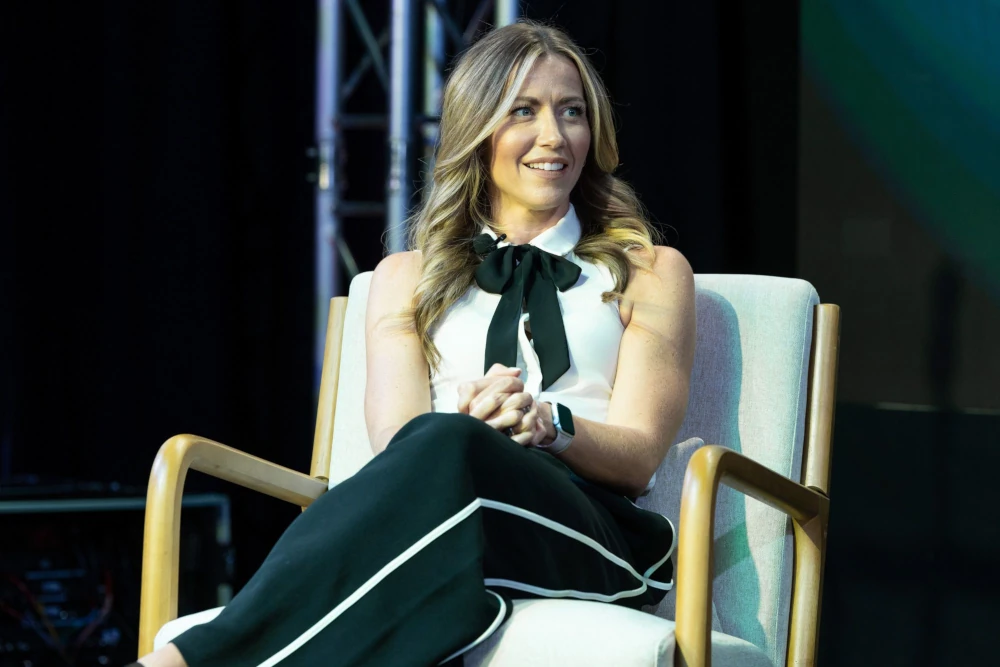
That was one of the central themes of a recent fireside chat our Media Director, Kristen Carter, participated in with Kevin Maloy, VP of Advanced TV Solutions at Nexxen, during the Las Vegas Innovation Marketing Association’s Digital Technology & Planning Day. 

For agencies and brands, the evolution of video content and how people consume it has fundamentally changed the way we think about television. TV is no longer a one-size-fits-all medium. The future is about understanding who the audience is, how they consume content, and using data and technology to reach them with the right message at the right time – and ultimately understanding how those investments contribute to business results. 


TV Has Evolved – So Has the Way We Plan It 

At MassMedia, we still rely on tried-and-true tools to plan linear TV buys. Resources like SQAD help establish market-specific planning costs and negotiate efficient rates, while Nielsen and Comscore help us understand ratings, audience delivery, and forecast reach.  

The introduction of CTV and online video has made audience intelligence tools and client first-party data an absolute necessity, replacing the ratings and demo-based buying strategies of the past. 

First-party data and audience intelligence tools help us understand who a brand’s best customers are, how they behave, what they value, and most importantly, how they consume media. That intelligence is ultimately what determines the media mix. 


Determining The Right Video Mix  

Determining the right video mix starts with two questions: Who are we trying to reach, and what business outcome are we trying to achieve? 

Budget is equally important. Linear television can still be cost-prohibitive in certain markets, particularly for advertisers with limited budgets. CTV has made premium television environments much more accessible, allowing brands to enter the video ecosystem without necessarily making the same investment required for a traditional linear schedule. 

But when the audience and budget support it, linear can still be extremely powerful. 

We saw this firsthand with one of our clients, who was focused on growing singular transactions of $25,000 or more. First-party customer profiles showed that these high-value customers tended to be older and more affluent audience that was still consuming linear TV, so we built a strategy around how that audience watched television. The plan combined addressable cable and streaming with linear programming that over-indexed for the target audience, including premium tentpole environments. 

TV was part of a broader marketing ecosystem, but the markets where the strategy ran consistently experienced growth in $25K+ sales. This campaign served as a powerful reminder that innovation doesn’t always mean replacing traditional channels. Sometimes, it means using better data to make traditional channels work harder. 


Fragmentation Makes Integrated Media More Important, Not Less 

The proliferation of media platforms has created tremendous opportunity for advertisers, but it has also created one of the industry’s biggest challenges: fragmentation. Consumers don’t think about whether they’re watching “linear TV,” “CTV” or “digital video.” They simply watch content. 

Media planning and measurement, however, often still operate within those individual channel silos. That makes it difficult to understand true unduplicated reach and frequency across screens, and even more difficult to determine how all those exposures ultimately influence a business result. 

The solution isn’t to retreat into the channels that are easiest to measure. It’s to create a full funnel integrated strategy and measure success based on each channel’s role in driving business results – not simply driving impressions.  

A simple case study from a casino partner provides a great example. The brand’s media mix had historically been concentrated in Google and Meta, so we recommended adding CTV and YouTube to build awareness and support the performance of the bottom funnel channels. Since expanding the mix, website sessions and revenue have consistently increased proportionally to the increased paid media investment and channel mix. 


Measuring What Matters 

As the media mix becomes more complex, reporting has to evolve with it. 

Rarely is the booking or the purchase the result of a single touchpoint; rather, it’s the cumulative effect of an integrated media strategy. Yet, one of the reasons brands can be hesitant to invest in upper-funnel channels like TV and CTV is that the impact isn’t always as easy to attribute as a click, lead, or booking from a lower-funnel channel. 

That’s why measurement needs to look beyond last-click attribution. We evaluate upper-funnel channels through signals like website traffic, branded search lift, and overall business performance. Our reporting platform brings those insights together, with media performance, website analytics, CRM, sales, bookings and other first-party data in one view to create a more complete picture of media’s impact. 

Reporting is one of the most important ways we demonstrate success to brands.  The goal is never more data – it’s actionable data that helps all parties understand what happened, why it happened and what we should do next. 


So Where Does TV Go Next? 

AI and automation will continue to change how agencies plan, buy and optimize television, but technology alone isn’t the strategy. 

The opportunity is using better technology alongside first-party data and audience intelligence to make smarter decisions about who to reach, where to reach them and how each channel contributes to the business objective. 

The future of television isn’t linear versus streaming. It’s an audience-first video strategy where every channel has a role, and success is ultimately measured by business impact, not impressions.

Recent Articles

Discovery call

We can start right now. Simply complete a quick form and we’ll set up a discovery call to dive deep on your business needs.
Why We Don’t Have a Favorite Channel — And Why That’s Good for Your Business

Why We Don’t Have a Favorite Channel — And Why That’s Good for Your Business

Media channels
March 2, 2026

When you hire a media agency, you’re trusting them with your budget. So here’s a question worth asking: Is your agency recommending channels because they’re right for your business — or because they’re profitable for theirs?

At MassMedia, our answer is simple. We don’t have a favorite channel. We never have.

What “Channel Agnostic” Actually Means

Channel agnostic media buying means we have no financial incentive, preferred vendor relationship, or internal bias that pushes us toward any single platform or medium. No quotas to hit on paid social. No sweetheart deals with a programmatic DSP. No pressure to load up on linear TV because it’s easier to buy.

What we do have is a process built entirely around one question: What mix of channels will drive the best results for this specific business, at this specific moment?

That question sounds obvious. But in practice, it’s rarer than you’d think.

The Problem With Agency Channel Bias

Many agencies are structurally incentivized to favor certain channels. This happens in a few common ways:

  • Volume rebates from platforms reward agencies for pushing more spend through specific channels
  • Specialized teams create internal pressure to justify their headcount with client budgets
  • Ease of reporting leads some agencies to favor channels with clean dashboards over channels that actually perform
  • Margin differences mean some media is simply more profitable to buy and manage than others

The result? Clients end up with media plans that look like the agency’s preferred toolkit, not a strategy built around their business goals.

How We Build a Media Mix 

Our media planning process starts with the business, not the channel.

  1. We start with your audience. Before we ever talk about platforms, we map out who your customer is, where they spend their time, and at what stage of the purchase journey they’re most reachable.
  2. We model the full funnel. Awareness, consideration, and conversion all require different media thinking. We plan across the entire funnel rather than defaulting to bottom-of-funnel channels because they’re easier to measure.
  3. We stress-test every channel. We evaluate each option on reach, efficiency, competitive landscape, and how well it complements the rest of the plan. No channel earns a seat at the table just because it’s familiar.
  4. We optimize outcomes, not activity. Our success metrics are yours: revenue, leads, ROAS, brand lift, market share. Not impressions delivered or dollars spent.

What This Looks Like in Practice

A channel-agnostic approach might mean recommending a heavy investment in connected TV for a brand that’s been over-indexed on paid search for years. It might mean pulling back on Meta when the data shows diminishing returns and reallocating to out-of-home in high-priority markets. It might mean the smartest move is a podcast sponsorship, a retail media network, or direct mail — even if those aren’t the sexiest line items on a media plan.

It also means being honest when a channel isn’t working. 

The Business Case for an Unbiased Media Partner

Diversified, audience-first media mixes consistently outperform single-channel or channel-heavy strategies over time. Brands that work with unbiased media partners tend to benefit from:

  • Better budget efficiency — spend goes where it performs, not where it’s easy to place
  • Reduced platform dependency — diversification protects against algorithm changes and rising CPMs
  • Smarter long-term strategy — channel decisions are tied to business stage, seasonality, and competitive dynamics

When your agency’s incentives are aligned with your outcomes, you get better media. It’s that simple.

Our Commitment to Transparency

Channel agnosticism only means something when it’s backed by transparency. That’s why we give clients full visibility into how their media dollars are allocated, what each channel is delivering, and how we’re making optimization decisions. 

If you’ve ever felt like your media plan was shaped more by your agency’s preferences than your brand’s needs, it might be time for a second opinion.

Ready to see what an unbiased media strategy looks like for your business? Let’s talk.

Recent Articles

Discovery call

We can start right now. Simply complete a quick form and we’ll set up a discovery call to dive deep on your business needs.
Keith Lee’s Masterclass in Bringing Back the Focus to Giving (And What Brands Can Learn From It)

Keith Lee’s Masterclass in Bringing Back the Focus to Giving (And What Brands Can Learn From It)

Bringing back the focus to giving
November 17, 2025

Keith Lee, a food critic and creator known for highlighting small businesses, is no stranger to showing up for his community. But his latest viral video serves as a great reminder to brands about the importance of focusing on what matters most: their own impact within their communities.

When brands hear the word “influencer,” several things often come to mind: their niche, audience size, past brand partnerships, and the level of influence they can bring to a potential campaign.

While all of that information does matter, sometimes in the excitement of potential partnerships, what can get missed is the size of impact by showing up. 

His latest act for his community began with a simple video. He shared his family’s personal experience, explaining how he and his wife relied on SNAP benefits and gift cards to purchase groceries when they were in a different situation. 

He called out a growing trend and flipped it on its head. Instead of making a video asking brands to send PR packages, he asked for brands to commit to helping feed families this holiday season—not through a new creator collaboration or a money-driven partnership, but through actual action and real resources.


Keith’s approach brought attention back to the real needs of families and the real purpose of community-led influence. Watch his call to brands here. 

The video went viral, reaching over 8 million views on TikTok and generating 2.7 million engagements, with brands volunteering in droves to support. He noted that more than 100 brands had committed to helping in this follow up video. 


What Brands Can Learn from Keith Lee’s Call to Action:

Keith’s video isn’t just another feel-good story, but a reminder and example of how brands can follow to lean into their own impact through social. 

Show Up for Your Communities (In and Outside of Collaborations):

Brands that consistently appear, even when there’s no campaign or creator ties, build credibility and trust––even showing your brand in action in everyday moments.

Listen to What Your Communities Are Asking For: 

Social is an ongoing feedback loop for your communities – often telling you directly where and how they can have an impact. 

Take the time to listen – whether through social listening tools or evaluating top content related to your brand.

Connect Through Your Personal Experience, Not Just Promotion: 

Find a way to show up through an authentic connection, leveraging your brand values, team experiences, and the needs of your own communities.

Recent Articles

Discovery call

We can start right now. Simply complete a quick form and we’ll set up a discovery call to dive deep on your business needs.

Brand Storytelling That Actually Connects: Humanizing Brands Through Community Moments

Brand Storytelling That Actually Connects: Humanizing Brands Through Community Moments

Humanizing Brands Through Community Moments
October 27, 2025

At MassMedia, we’ve learned that brand storytelling isn’t a script: it’s a relationship. The stories that stick aren’t the ones only delivered in a perfect 30-second spot. They’re the ones your neighbors retell because they lived them: the Saturday when car-seat technicians lined the elementary school parking lot to help parents, the week a local bank quietly funded a “first jobs” night for teens, or the afternoon a library hosted a low-sensory “connection hour” so families could catch their breath. Those small, human moments are where reputations are built and loyalties are formed. 

When we work with brands, we push them to commit to communities in which they do business. Not only does this allow brands to generate positive media and social coverage, it allows brands to deepen relationships with their communities and play the long game of winning over customers and building a pipeline for future ones.

Why community-centric storytelling works

Trust is local, and it’s earned in the open. Consumers oftentimes believe what they can see and touch, not just what they’re told. It’s the difference between a purpose statement and a purpose you can hold in your hands: a helmet that actually fits, a grocery box that arrives when the pantry’s running low, a scholarship award letter on a kitchen table, a teen who leaves a workshop with a real job lead. 

Small moments, when real, travel farther than big promises. A candid photo of a school nurse crouched beside a minivan, teaching a dad how to secure a car seat, says more about a brand’s values than any “We Care” manifesto ever could. It’s the kind of scene neighbors share without being asked. When that happens, you’re no longer buying attention, you’re being invited into the feed, the group chat, and the parent email thread. That’s a very different kind of reach.

Community also creates continuity. Isolated moments become reliable rhythms: quarterly safety clinics, seasonal park cleanups, back-to-school supply drives, annual “first jobs” workshops  or hiring events in partnership with local employers. That cadence powers PR with a steady drumbeat of meaningful stories and gives communities something to count on. Over time, your brand shifts from occasional benefactor to familiar friend.

Most brands already have messages. What they need are memories, shared experiences that make those messages feel true. That requires a different operating system, one that elevates proximity, humility, and consistency over polish.

Building a culture that sustains the work

Programs like these don’t thrive on intent alone; they require internal alignment. The organizations that succeed tend to do a few things well. They empower local teams to act without waiting for an exhaustive approvals chain. They create simple playbooks, lightweight guardrails rather than rigid scripts, so anyone from HR to field ops knows how to raise a hand and mobilize support. They budget for service the way they budget for media and events, understanding that the return shows up in trust, talent attraction, and long-term loyalty.

They also select partners with care. The best collaborators, schools, libraries, youth sports leagues, neighborhood associations, are already hubs of trust. Rather than reinventing the wheel, brands show up to strengthen what’s working. Over time, these relationships become relational capital. When a crisis hits or a need spikes, you’re not a stranger trying to help, you’re a known quantity, already in the room.

Measurement in this model is both quantitative and deeply human. Yes, track the numbers. But also ask, “What changed because we were there?” Did parents leave more confident? Did teens feel seen? Did a community resource gain new momentum? Those answers don’t fit neatly into a dashboard, but they do shape how people talk about you when you’re not in the room—which is the essence of brand.

Looking ahead

Community-centric storytelling isn’t about turning service into spectacle. It’s about letting service become your story, quietly, consistently, credibly. It recognizes that trust accrues the way compound interest does: slowly at first, then all at once. And it accepts that the most valuable brand impressions will never appear in your ad manager. They happen when a parent says to another parent, “They helped us,” or when a teacher tells a reporter, “We couldn’t have done this without them.”

If you’re building a brand and you want to not only make a difference but drive community good will (and generate some positive coverage for it), in Las Vegas or any city, town or metro, start here. Find one small, real need. Show up with humility. Do it again. Over time, those moments become a reputation, and the reputation becomes your best story.

MassMedia is a Las Vegas-based public relations and integrated marketing agency. If you’re ready to evolve your brand story from messaging to memory-making, we’d love to help you design community moments that matter.

Recent Articles

Discovery call

We can start right now. Simply complete a quick form and we’ll set up a discovery call to dive deep on your business needs.
Top Marketing Trends To Watch In 2025: Insights From An Integrated Strategist

Top Marketing Trends To Watch In 2025: Insights From An Integrated Strategist

Top Marketing Trends To Watch In 2025: Insights From An Integrated Strategist
November 27, 2024

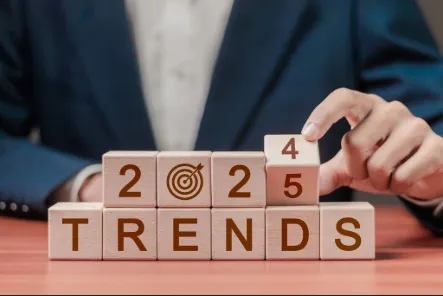
The marketing world is evolving rapidly, with 2025 poised to introduce new challenges and opportunities. From advanced AI applications to privacy-driven strategies, the key to success will be adaptability and innovation. Below, we explore the top marketing trends to watch and how your brand can leverage them to stay ahead.

1. AI-Powered Personalization

Artificial intelligence (AI) is transforming how brands engage with their audiences, enabling hyper-personalized experiences at an unprecedented scale. Searches for “AI marketing tools” have skyrocketed by 967% over the past two years, highlighting the growing demand for AI-driven solutions to enhance marketing efforts. From predictive analytics to dynamic content creation, brands are increasingly turning to AI to optimize campaigns and deliver tailored customer interactions.

By 2025, AI is expected to be an indispensable tool across industries. It will refine predictive analytics, enabling businesses to anticipate customer needs with greater accuracy. AI can also provide real-time optimization, allowing brands to adjust ad targeting dynamically based on audience behavior. For example, an AI-powered recommendation engine can analyze purchasing habits to suggest highly relevant products or use customer data to craft individualized content that resonates more effectively.

This shift toward AI-driven marketing is setting a new standard for engagement and efficiency, empowering businesses to not only understand their customers better but to act on those insights instantly. The result? Campaigns that are not just smarter but also more impactful.

2. Immersive and Interactive Technologies

Augmented reality (AR) and virtual reality (VR) are no longer confined to entertainment—they are transforming industries ranging from retail to business services. By 2025, these tools will play a critical role in creating immersive experiences that bridge the gap between the digital and physical worlds.

For consumer services, AR allows customers to “try before they buy.” For example, home improvement brands like Home Depot enable users to visualize paint colors on their walls using AR apps. Similarly, beauty brands such as Sephora offer virtual try-on tools for makeup, allowing customers to experiment with products from the comfort of their homes. These applications reduce friction in the purchase journey, building confidence and increasing conversions​.

In B2B industries, VR is proving valuable for virtual training and product demonstrations. Manufacturing companies use VR to showcase large-scale equipment to potential buyers without needing on-site visits. Another example is in architecture and construction, where firms leverage VR to provide virtual walkthroughs of building designs, enhancing collaboration with clients and stakeholders​.

By integrating AR and VR, businesses can offer practical, interactive experiences that engage customers, streamline decision-making, and ultimately drive growth.

3. Zero-Party Data and Privacy-First Marketing

The era of third-party cookies is coming to a close, and with it, brands must rethink how they gather and utilize customer data. Zero-party data—information that customers willingly share—will take center stage. Tools like surveys, quizzes, and loyalty programs will enable businesses to collect this data while building trust and transparency with their audiences​.

This shift is about more than just compliance; it’s an opportunity to create deeper, more meaningful connections. By respecting privacy and offering value in exchange for data, brands can position themselves as trustworthy and customer-centric. In 2025, robust data strategies will be critical for long-term success.

4. Short-Form Video Content

Short-form video remains one of the most powerful tools for capturing attention with 89% of consumers confirming they want to see more videos from brands. Platforms like TikTok, Instagram Reels, and YouTube Shorts have driven the popularity of snackable, engaging content that resonates with audiences across demographics.

As attention spans shrink, the ability to tell compelling stories in under a minute becomes essential. Brands that lean into this format—using humor, authenticity, and trend-based content—will see higher engagement and brand awareness. Short-form video will be especially vital for connecting with Gen Z, who prefer dynamic and visually engaging content​.

5. Omnichannel Integration

Consumers today expect seamless experiences across all touchpoints, whether online, in-store, or through social media. A cohesive omnichannel strategy ensures that interactions feel unified and personalized, regardless of where or how customers engage.

Data integration is key to making this work. For example, a customer browsing online might receive a personalized email offer encouraging them to visit a physical store, where their preferences are already known. Brands that embrace omnichannel marketing will not only improve conversions but also enhance customer satisfaction and loyalty​.

6. Advanced Analytics for Real-Time Insights

As consumer behaviors grow increasingly complex, advanced analytics will be indispensable for understanding and optimizing the customer journey. By 2025, AI-driven tools will enable marketers to analyze performance across multiple channels and make adjustments in real time.

For example, predictive analytics can help identify which products a customer is likely to buy next or suggest the optimal time to launch a campaign. This level of insight allows brands to stay agile and maintain a competitive edge in a rapidly changing market​.

Conclusion

The trends shaping 2025 demonstrate the growing importance of innovation, personalization, and trust in marketing. From leveraging AI and immersive technologies to mastering omnichannel strategies, businesses that embrace these changes will set themselves apart in a competitive landscape.

Don’t wait to prepare for these shifts—start building your strategy now. For expert guidance in navigating these trends and creating a tailored marketing plan, contact us today.  Let’s work together to position your brand for success in 2025 and beyond!

Discovery call

We can start right now. Simply complete a quick form and we’ll set up a discovery call to dive deep on your business needs.
Rethinking Advertising Strategies: Breaking Down Silos for a Unified Video Approach

Rethinking Advertising Strategies: Breaking Down Silos for a Unified Video Approach

Rethinking Advertising Strategies: Breaking Down Silos for a Unified Video Approach
November 20, 2024

What has been the norm in the advertising world?

Pearl Zhu once noted that a silo mentality causes organizations to lose their collaborative edge, as they become over-managed and under-led. This insight is particularly relevant to the modern advertising landscape; the more barriers we create, the fewer opportunities we have to innovate. This is especially true for TV, CTV/OTT, and streaming video. Many agencies have structured their media teams into separate groups, with linear TV teams on one side and streaming and CTV/OTT teams under the digital buying team.

The core idea behind this structure is that each team can focus on their specific channel, concentrating solely on negotiations, media buys, and optimizations. While this approach makes sense in theory, it was designed for a media landscape not dominated by platforms like Netflix, Hulu, Paramount+, Disney+, or YouTube. Today, streaming platforms are consumed more frequently than broadcast or cable TV.

How does this approach miss the mark?

As a result, advertising teams that operate in silos by channel miss out on valuable cross-channel strategizing opportunities. This not only narrows their perspective but also fosters internal competition for budget allocation, rather than investing in strategies that optimize viewer engagement based on their content consumption habits. Media teams should aim for an effective and efficient approach through a unified video strategy, allowing them to target unique viewers consistently based on what they watch and when they watch it.

Where is MassMedia different?

At MassMedia, we’ve adopted a structure where budgets are allocated into a comprehensive video bucket that includes Linear TV, CTV/OTT, streaming, place-based digital video screens, paid social, and more. Essentially, any media format that supports full-motion video creative is considered part of our video strategy and budget. This approach enables us to engage in cross-disciplinary discussions to develop a unified strategy. By incorporating all media placements, assessing their impact, and understanding their drawbacks, we create unique programs that effectively and efficiently reach our target audience throughout their daily content consumption.

We can implement performance-based optimizations by considering a range of reporting factors, both modern (contextual performance reporting) and traditional (linear TV impression ratings). This approach enables us to allocate budgets to the highest-performing channels effectively, making every dollar spent work harder in driving ROI. Similarly, we are applying this approach to audio through terrestrial radio, streaming audio, and podcasts.

In an un-silo’d  world, what are the trends to pay attention to?

As we move into 2025, video advertising continues to evolve at a rapid pace, driven by changes in consumer behavior, technological advancements, and platform innovation:

  • Short-Form Video Reigns Supreme: Short-form videos have taken the digital world by storm, thanks to platforms like TikTok, Instagram Reels, and YouTube Shorts. These bite-sized, highly engaging clips are designed to cater to the fast-paced habits of modern audiences. With just a few seconds to make an impact, brands are focusing on creativity and relevance. Short-form videos offer a unique chance to grab attention, build brand awareness, and encourage quick interactions. For marketers, this format is a must-have in today’s content strategy.
  • The Rise of User-Generated Content (UGC): Authenticity is no longer optional—it’s essential. User-generated content (UGC) is becoming a cornerstone of successful video ad campaigns. By leveraging real content created by consumers, brands can foster trust and create a sense of community. Beyond its ability to connect with audiences, UGC is also a cost-effective solution for producing relatable and engaging ads. When audiences see themselves reflected in your brand, they’re more likely to engage and convert.
  • Interactive and Shoppable Videos: Interactive videos are changing how audiences engage with content. Whether it’s clickable hotspots, polls, or quizzes, these formats encourage active participation rather than passive viewing. Shoppable videos take engagement a step further, allowing viewers to make purchases directly within the video. This seamless shopping experience shortens the path from discovery to checkout, driving conversions and redefining the online shopping journey.
  • Personalized Video Ads: With advancements in data analytics and artificial intelligence, personalization has reached new heights. Brands can now deliver video ads tailored to individual preferences, behaviors, and demographics. The result? A more meaningful connection with viewers, higher engagement rates, and improved conversion outcomes. Personalization ensures that your audience sees content that feels relevant and timely, building loyalty and trust.
  • Live Streaming and Real-Time Interaction: Live streaming has emerged as a powerful tool for fostering real-time engagement. Platforms like Instagram Live, Facebook Live, and Twitch enable brands to connect with their audience in an authentic, interactive way. Whether it’s hosting live Q&A sessions, product launches, or behind-the-scenes events, live streaming creates a sense of immediacy and transparency. For brands, it’s a chance to build stronger relationships and humanize their messaging.
  • AI and Automation in Video Creation: Artificial intelligence is transforming the video creation process, enabling brands to produce high-quality content faster and more efficiently. From automated editing to dynamic video personalization, AI tools are empowering marketers to scale their efforts without sacrificing quality. By reducing production costs and streamlining workflows, AI allows marketers to focus more on storytelling and strategy—delivering videos that truly resonate.
  • Cross-Channel Video Strategies: As video platforms continue to multiply, a unified approach is essential. Cross-channel video strategies ensure that your brand’s message remains consistent across platforms like linear TV, connected TV (CTV), OTT, and social media. By integrating campaigns across multiple channels, brands can maximize their reach and deliver a cohesive experience that drives engagement and builds familiarity.
  • Sustainability and Social Responsibility: Consumers are paying closer attention to brands’ values and actions. Video ads that highlight sustainability and social responsibility resonate with socially conscious audiences and demonstrate a commitment to making a positive impact. Whether it’s showcasing eco-friendly practices or supporting community initiatives, purpose-driven marketing helps brands stand out in a crowded market while fostering long-term loyalty.
  • Enhanced Measurement and Analytics: The ability to measure video ad performance has never been more precise. Today’s analytics tools allow marketers to track metrics like engagement rates, view-through rates, and conversions with unparalleled accuracy. This data-driven approach enables continuous optimization, ensuring that campaigns deliver maximum ROI while providing actionable insights for future efforts.


Conclusion

The advertising world has long relied on siloed strategies, dividing media teams by channels such as linear TV and digital platforms. While this approach once suited a simpler media landscape, it now limits innovation and fails to address the interconnected way consumers engage with content across platforms. Today, viewers seamlessly shift between streaming platforms like Netflix, YouTube, and Hulu, rendering traditional structures ineffective in capturing cross-channel opportunities. MassMedia has redefined the norm by integrating a unified video strategy that consolidates budgets for all video formats—linear TV, CTV/OTT, streaming, and more. This approach fosters collaboration, optimizes performance through comprehensive data analysis, and ensures that every dollar spent maximizes ROI. By focusing on content consumption habits and leveraging both traditional and modern metrics, MassMedia offers a flexible and impactful model for reaching audiences effectively.

Looking ahead to 2025, the advertising landscape is defined by emerging trends that prioritize engagement, personalization, and innovation. Short-form videos, user-generated content, interactive formats, and personalized ads dominate, driven by evolving consumer preferences and technological advancements. Live streaming, AI-driven content creation, and cross-channel strategies are becoming essential for brands to stay competitive. Furthermore, socially responsible messaging and enhanced analytics are setting new benchmarks for impactful advertising.

In this rapidly evolving environment, success hinges on breaking down silos, embracing holistic strategies, and staying ahead of technological and cultural shifts to deliver meaningful, engaging, and measurable campaigns. MassMedia is here to help as your brand seeks ways to create impactful campaigns.

Discovery call

We can start right now. Simply complete a quick form and we’ll set up a discovery call to dive deep on your business needs.
The Resurgence of Out of Home Advertising

The Resurgence of Out of Home Advertising

The Resurgence of Out of Home Advertising
June 6, 2024

As the year progresses, and more and more cities and states begin lifting restrictions, we will undoubtedly see more and more people eager to take advantage of these new lenient measures and get out of the house to start experiencing life as it once was.

The lockdown forced us to alter and adapt our behavior. For over a year, people have been mostly confined within the walls of their homes, staring at screens for both work and downtime. From video meetings to FaceTime and television to online workouts, it’s how we have been conducting business, communicating with family and friends, and keeping busy. The quick and swift change to our daily lives sent some mediums skyrocketing at an unforeseen pace while others saw the biggest decline they have ever experienced.

A rapid pace of change among the media landscape has always been a driving force that encourages creative thinking, new applications, testing and a constant state of learning. And for digital, its exponential growth was only amplified by the pandemic, with major behavioral and economic shifts continuously happening every day.
But if media and the rise of digital has taught us anything, it has been to be nimble, have a learning agenda and be a student of the consumer — and we’re putting those principles to work now more than ever.

From One Extreme…

We are now reaching a point of “screen overload” among people universally. According to Media Brew reporting, streaming services are already seeing significant drops in subscriber growth saying, “Now that people are dusting off their hard pants and Hinge profiles, streaming numbers are expected to slip.” Recent data tells us that consumers are experiencing unprecedented levels of screen fatigue, with 75% saying, “I spend so much time looking at a computer, mobile device and TV screen, that I often tune out digital ads.”

Feeling the effects of cabin fever, compounded by screen overload, has led consumers more anxious than ever to escape the confines of their homes. Even before the loosened restrictions, we saw a drastic increase in consumers living their lives outdoors — dining outside, taking fitness classes outside, and engaging in more walking and biking than ever before.

Going outdoors has served as a much-needed respite from staring at a screen all day. It has provided a renewed appreciation and heightened awareness for surroundings outside of the home. As of January 2021, 55% of consumers in large cities reported noticing out-of-home advertising more than they did before the pandemic. The numbers were even higher in the fall of 2020.

The consistent data points to this being the “right moment” for outdoors as the optimal medium to reach consumers, bolstering its already-high value proposition. As the year continues and we see more and more businesses reopening and capacity limits increasing, we can expect a surge in traffic (vehicular and foot traffic). Overly excited to make up for lost times, consumers are sure to be flooding the streets in droves, which translates to an upswing in impressions for OOH advertising.

Don’t Call It A Comeback

MediaPost.com reports, today, OOH advertising is more powerful than ever — taking center stage with key audiences during this time of revitalization. But OOH ads have always been one of the purest forms of communication that can transform businesses and impact society. A poster, whether on a billboard or a kiosk or on public transit, is a creative canvas that calls for distillation as well as memorable copy and design. With a broad reach, it has the power to create visual drama and results in maximum meaning using minimum means, making it one of the most effective forms of advertising. Interested in kicking off your Out of Home campaign or learning more about how we can help market your business? Contact us today!

Discovery call

We can start right now. Simply complete a quick form and we’ll set up a discovery call to dive deep on your business needs.