Front and Center: Lessons from the 2025 TV Upfronts

Front and Center: Lessons from the 2025 TV Upfronts

May 19, 2025

Upfronts 2025:

The 2025 TV Upfronts made one thing clear: the media landscape isn’t just evolving, it’s running into a new era. Held across multiple New York venues last week, this year’s presentations were less about fall lineups and more about future-proofing. From streaming giants flexing their ad tech muscles to networks doubling down on live sports and diverse audiences, the week was a whirlwind of strategy, spectacle, and subtle power plays. Whether you’re a media buyer, marketer, or just trying to keep up, here’s what stood out, and what it all means for the future of television.

Netflix Is Here To Take Center Stage:

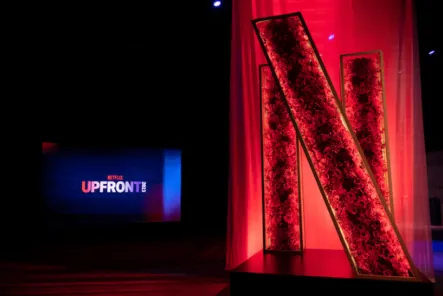
At the 2025 TV Upfronts, Netflix introduced a bold new vision for advertising on its platform, centered around AI-driven innovation and first-party data. One of the headline updates was the integration of generative AI to create immersive, context-aware ads. These ads can appear organically within content—such as product placements in scenes inspired by shows like Stranger Things, or surface during pause screens with interactive elements. Netflix aims to make advertising feel less intrusive and more engaging, with a phased rollout beginning in late 2025.

In addition to the tech upgrades, Netflix emphasized its growing ad-supported tier, now reaching 94 million monthly active users, more than double from the previous year. This rapid growth, combined with Netflix’s rich first-party data, positions the company to offer highly personalized and effective ad targeting. The message to advertisers was clear: Netflix is no longer just a streaming juggernaut, it’s a serious player in the ad tech space, blending innovation, scale, and storytelling to redefine what streaming advertising can be.

Content Creators Drew Significant Attention:

At the 2025 Upfronts, creators took center stage, signaling a significant shift in advertising strategies. Platforms like YouTube, TikTok, and Meta emphasized the role of influencers and content creators in connecting with audiences, particularly Gen Z. YouTube’s Brandcast event featured creators such as MrBeast, IShowSpeed, and Sean Evans, highlighting the platform’s commitment to creator-driven content. Similarly, TikTok and Meta showcased their investments in creator partnerships, underscoring the importance of authentic, relatable content in today’s advertising landscape.

This focus on creators reflects a broader industry trend where advertisers recognize the value of influencer-led campaigns in driving engagement and brand loyalty. By integrating creators into their core marketing strategies, brands aim to foster deeper connections with consumers through personalized and immersive experiences. The 2025 presentations underscored that in the evolving media environment, creators are not just supplementary assets but central figures in shaping the future of advertising.

HBO Rebrand…Again:

Warner Bros. Discovery (WBD) announced a major shift in its streaming strategy by reintroducing the “HBO Max” branding, reversing a previous decision to drop “HBO” from the name. The move is intended to reinforce the platform’s association with high-quality content that HBO is known for, distancing it from more generalized entertainment offerings. A sleek monochrome logo accompanied the rebrand, along with appearances by stars from hit HBO series, underscoring the company’s renewed focus on premium storytelling and its most acclaimed properties.

As expected, the rebrand sparked plenty of social media mockery, after all, it marks the fourth name change for HBO’s streaming platform in just five years. Still, credit to HBO for embracing the chaos. Max updated its bio on X (still widely known as Twitter) to “these rebrands are trying to murder me,” a witty reference to one of its hit shows. It followed that with a series of self-aware memes, playfully poking fun at its identity crisis and the public’s reactions.

Amazon Shoppable Ads Merge Media & Commerce:

Amazon Prime Video is enhancing its advertising offerings by introducing shoppable ads that integrate real-time retail data, effectively merging media and commerce. These new ad formats, including contextual and pause ads, reflect a growing shift towards interactive and personalized advertising experiences. By leveraging its e-commerce capabilities, Amazon aims to provide advertisers with full-funnel marketing solutions that connect content with commerce, offering a seamless shopping experience for viewers.

In addition to these advertising innovations, Amazon is expanding its sports content with year-round packages, aiming to attract a broader audience and provide advertisers with more opportunities to engage with viewers. This strategic move underscores Amazon’s commitment to integrating entertainment and shopping, positioning Prime Video as a platform where viewers can not only watch their favorite sports but also interact with related products in real-time. Through these initiatives, Amazon seeks to redefine the streaming experience by combining content consumption with interactive commerce.

So Where Do We Go From Here:

We saw from this year’s Upfronts how the 2025 TV Upfronts marked a turning point in the television and streaming industry, emphasizing innovation, interactivity, and adaptability over traditional programming models. It shows that we’re no longer in an era where fall schedules and linear TV dominated advertiser attention. Instead, platforms are future-proofing, introducing advanced ad tech, expanding content strategies, and redefining viewer engagement to meet the evolving demands of consumers and marketers alike.

In short, the future of television isn’t just about what we watch, it’s about how we interact with it, who we trust to present it, and how seamlessly it integrates into our lives. The 2025 Upfronts made that loud and clear.

Discovery call

We can start right now. Simply complete a quick form and we’ll set up a discovery call to dive deep on your business needs.


How PR Can Mitigate Deep Fakes

How PR Can Mitigate Deep Fakes

May 6, 2025

How Proactive and Reactive PR Tactics Can Safeguard Your Brand from Deepfake Scandals

In an era where artificial intelligence can fabricate hyper-realistic videos and audio, deepfakes have emerged as a significant threat to individuals and organizations alike. The recent misuse of AI-generated deepfakes involving Goldman Sachs executives Abby Joseph Cohen and David Kostin underscores the potential reputational damage such fabrications can inflict. Similarly, legal challenges, such as Elon Musk’s social media platform X suing Minnesota over its deepfake law, highlight the complex interplay between technology, free speech, and regulation.

To navigate this evolving landscape, organizations must employ both proactive and reactive public relations (PR) strategies to mitigate the risks associated with deepfakes.

Proactive PR involves anticipating potential crises and establishing measures to prevent or lessen their impact. Proactive PR will build the shield before the storm. In the context of deepfakes, this means:

  1. Educating Stakeholders: Regularly inform employees, clients, and the public about the existence and risks of deepfakes. Awareness campaigns can empower stakeholders to critically assess digital content and recognize potential fabrications.
  2. Establishing Verification Protocols: Implementing systems to verify official communications can help distinguish genuine messages from deepfakes. This might include digital signatures or watermarks on official videos and statements.
  3. Monitoring Digital Platforms: Utilize advanced monitoring tools to detect unauthorized or suspicious content featuring company representatives. Early detection allows for swift action to counteract misinformation.
  4. Developing Crisis Communication Plans: Prepare detailed response strategies for potential deepfake incidents. These plans should outline the steps to take when a deepfake is identified, including internal communication protocols and public response measures.

By laying this groundwork, organizations can reduce the likelihood of a deepfake causing significant harm and ensure readiness to respond effectively if one does surface.

Despite the best proactive measures, deepfakes can still emerge, necessitating a reactive PR approach. Key steps include:

  1.  Swift Public Denial and Clarification: Immediately address the deepfake, clarifying that the content is fabricated. Transparency is crucial to maintain public trust.
  2. Engaging with Media Outlets: Work closely with journalists and media platforms to disseminate accurate information and counteract the spread of the deepfake.
  3. Legal Action: Pursue legal avenues against the creators and distributors of the deepfake. This not only seeks justice but also signals to the public and stakeholders that the organization takes such matters seriously.
  4. Internal Communication: Keep employees informed about the situation and the steps being taken. This ensures a unified message and prevents internal misinformation.

For instance, in the case of the Goldman Sachs executives, a prompt and transparent response would be essential to reassure clients and stakeholders of the video’s inauthenticity and the company’s commitment to integrity.

The legal landscape surrounding deepfakes is still evolving. The lawsuit filed by X against Minnesota’s deepfake law illustrates the tension between combating misinformation and protecting free speech. Organizations must navigate these legal complexities carefully, ensuring that their PR strategies align with current laws and advocate for regulations that address the challenges posed by deepfakes without infringing on fundamental rights.

Deepfakes represent a formidable challenge in the digital age, with the potential to cause significant reputational and operational damage. By implementing comprehensive proactive and reactive PR strategies, organizations can better protect themselves against such threats. Staying informed about technological advancements and legal developments is essential to adapt and respond effectively in this dynamic environment.

Discovery call

We can start right now. Simply complete a quick form and we’ll set up a discovery call to dive deep on your business needs.

You’re (Probably) Not the Target Audience

You’re (Probably) Not the Target Audience

April 28, 2025

Let’s be honest. If you touch the advertising industry–whether you’re a client, a creative, a strategist, or a self-proclaimed Jack-of-all-trades–you’ve probably fallen into the trap of thinking, “I’d never click on that,” or “This doesn’t resonate with me,” and most certainly, “If I wouldn’t want to buy, no one else will.”

Here’s the reality: you are not the target audience.

 The Mirror Effect

It’s natural to view campaigns through our own lens. After all, we’re immersed in a brand’s world consistently, if not every single day. Unfortunately, assuming personal preferences align with target audience preference can lead to misguided strategies (and frustrated clients and teams). This phenomenon, often termed the “mirror effect,” occurs when you project your personal taste into your campaigns and messaging, ignoring how the audience thinks or feels.

Consider this: a campaign that feels “off” to you might be spot-on for your target demographic. On the flip side, that specific message you know is going to drive conversion may be alienating your consumers. It is essential to differentiate between personal and audience preference. Effective advertising isn’t about appealing to your own tastes and C-Suite opinions, it’s about resonating with your target consumer.

Take Nike, for example. The brand built its legacy on bold, inspiring stories that spoke directly to athletes and everyday people chasing greatness. But recently, Nike’s choices have felt more like they’re trying to keep up with the conversation than lead it. They’ve drifted from the values that established them as the market leader, and instead started projecting what they thought would be more profitable for the business—casting aside the brand aspects their audience actually connects with.

Rather than drive innovation and inspiration in their marketing efforts, Nike shifted efforts to performance-based metrics and promotional messaging to drive immediate sales–ultimately resulting in a consumer uninterested in the label alone and revenues declining 10% YoY.  That kind of misalignment doesn’t just hurt brand perception—it hits the bottom line.

How to Stay Audience-Centric

  1. Embrace Data-Driven Insights: Use data to get real about what your audience actually wants. Numbers don’t lie–let them guide you.
  2. Engage in Active Listening: Feedback, reviews and social media interactions offer unfiltered insights into your audience’s perceptions and desires.
  3. Diversify Your Team: Bring different voices to the table–different backgrounds, experiences and ways of thinking help you see what you might miss on your own.
  4. Test and Iterate: Test different ideas, see what sticks and consistently refine to ensure your campaigns stay relevant.

Opportunity of Reflection

The mirror effect gets a bad rap—and for good reason. It’s easy to fall into and hard to spot. But for brands that know how to recognize it, it can be a powerful advantage. When you catch yourself marketing from the inside out, it’s a chance to pause, check your assumptions, and refocus on the audience you’re actually trying to reach. It raises an important question: are we creating for ourselves, or for them?

This kind of self- and brand-awareness is lucrative. The moment you stop seeing your own reflection and start seeing your audience clearly, you’re in a much better position to connect, inspire, and ultimately drive results.

Nike, to its credit, recognized the disconnect. Rather than doubling down, the brand pivoted–returning to its roots with a global campaign that reignited its original spirit of possibility and perseverance. This spot didn’t just celebrate athletic greatness, it invited everyday people to dream bigger, think bolder, and embrace their potential in an audience-first approach. Nike got back to speaking to their audience instead of at them. The response? A renewed sense of connection.

It’s easy to let personal bias sneak in, but here’s the truth: if you’re building ads for you, you’re probably missing the mark. Great campaigns aren’t built on personal taste–they’re built on audience truth. Whatever your role, check yourself: Are you making decisions based on what you like, or what your audience needs to hear?

Because if it’s the former, you’re not advertising. You’re creating a mirror.

But if you recognize the mirror, you can turn it outward to reflect what matters most.

Curious about building audiences who will actually drive results for your brand? Let’s chat.

Discovery call

We can start right now. Simply complete a quick form and we’ll set up a discovery call to dive deep on your business needs.

Scroll-Stopping or Eye-Rolling? When Brands Should Say No to Social Media Trends

Scroll-Stopping or Eye-Rolling? When Brands Should Say No to Social Media Trends

April 21, 2025

What’s Still Trendy?

Pickleball? Cold plunges? Owala water bottles? Are we still saying things are demure?

Participating in trends on fast-moving platforms like Instagram and TikTok can help brands stay relevant, reach new audiences, and build authentic connections. However, trend participation can be cringy or off-brand when done without intention.

The key? Intentionality. Before your brand hops on the next trending sound or meme, run it through these three filters to make sure it’s not just timely but also valuable.

Follow These Three Checks to Ensure That Trend Participation Adds Real Value:

1.) Does The Trend Align With Your Audience’s Culture and Posting Platform?

Not every trend works for every audience or every platform. A Gen Z-focused brand might thrive on TikTok dance or meme trends, while a B2B brand might have greater success in clever LinkedIn memes or relatable posts, depending on its audience.

Also, consider where the trend originated. A format that takes off on TikTok may not on Instagram, even if both favor short-form video. Gymshark is a great example. They lean into inspirational photos and polished content on Instagram while embracing trends and humor on TikTok. Same brand, different audience strategies. Additionally, other trends can cross platforms successfully, and adapting trends takes a deep understanding of your following on each platform. 

2.) Is It Culturally Relevant to Your Brand, Not Just Popular?

It’s easy to copy what’s trending. But the best-performing trend content adapts viral moments in a way that feels unique to your brand and taps into broader cultural relevance.

Consider adding a clever twist or tying a trend into a seasonal moment or pop culture event. Either way, you want to stand out by being thoughtful, not just timely.

3.) Is it Executed with Intention?

Going “all in” on a trend means more than just replicating a format. It means integrating it into a campaign with clear messaging, strong visuals, and cross-channel consistency. Audiences can sense when something is thrown together just for reach. So don’t just follow the format. Own it, elevate it, and make it mean something.

When Trend Participation Does More Harm Than Good

Even with the right strategy, not every trend is worth your brand’s time. Just as the right trend can build momentum, the wrong one can do real damage. Here’s when trend participation can backfire and actually hurt your brand more than help it.

1.) It’s Already Past Its Peak

According to a report from Sprout Social, 27% of consumers believe that trend-related content is only relatable and worthy of engagement within the first 24-48 hours of the trend’s peak. Users, on average, spend 53 minutes a day on TikTok, making trends past this window seem stale and the brands behind the trend disconnected or out of touch. That said, while most trends need to be posted in this initial peak, others can withstand a longer time period, but often these trends are less specific (like a dance trend) and more easily adapted to fit your own audience and niche. 

2.) It Feels Forced or Inauthentic

Approximately 33% of consumers find it embarrassing when brands jump on trends that don’t fit their identity. Participating in a trend needs to align with your brand’s tone, industry, or values to avoid your followers feeling that it is inauthentic. 

3.) It Lacks Context or Cultural Awareness

Many memes, phrases, trending dances, or viral audios have cultural significance. Understanding the origin of trends is key to ensuring that your brand’s participation does not come across as tone-deaf, exploitative, or misrepresenting your brand’s values. 

How to Evaluate Whether a Trend Is Right for Your Brand

Before your team decides to join a trend, consider asking the following:

  • Does this trend align with our brand values and voice?
  • Can we execute it in a way that feels original and compelling?
  • Are we legally allowed to use this audio, image, or concept?
  • Do we fully understand the cultural roots or implications of this trend?

If the answer to any of these is “no” or even “maybe,” it may be worth reconsidering or finding an alternative angle.

Leverage Creators When It Makes More Sense

Sometimes, the best way to engage with a trend isn’t through your brand account at all. Partnering with content creators or influencers can offer a more authentic, audience-native way to participate, especially if your brand voice is more formal or polished.

Tools to Spot Trends Early and Avoid Playing Catch-Up

Success in trend marketing often depends on speed. But that doesn’t mean guessing or jumping in blindly. Use these tools to stay ahead of the curve:

  • Google Trends: Use the “Trending Now” tab to track real-time interest in search terms and topics.
  • Pinterest Predicts: Ideal for spotting emerging lifestyle trends with long-tail potential.
  • Exploding Topics: Identifies early-stage trends before they hit mainstream attention.
  • Social Listening Tools (e.g., Brandwatch, Sprout Social, Meltwater): Monitor conversations across platforms to understand what your audience is reacting to and how.
  • Influencers and Content Creators: Following niche influencers and meme accounts can serve as an early radar for trends with staying power.

The Bottom Line

Trends can be a powerful tool for visibility and engagement, but only when they align with your brand’s voice, values, and audience. The most successful brands don’t just follow what’s popular; they make it their own.

If your team is unsure when or how to explore including trending content on your feeds, or if you want to build a more consistent, strategic presence on social media, working with an agency can help. From trend spotting to content creation to storytelling, a good agency brings both the expertise and outside perspective needed to grow your organic social media channels.

Discovery call

We can start right now. Simply complete a quick form and we’ll set up a discovery call to dive deep on your business needs.

Why Choosing a Public Relations Agency That Takes Relationships Seriously is Essential for Your Brand

Why Choosing a Public Relations Agency That Takes Relationships Seriously is Essential for Your Brand

March 26, 2025

Human-to-human connection is more important than ever. And while that’s always been at the core for many marketers and those in the public relations space, it hasn’t been held to the same regard as it was intended to be. From the media and influencers we pitch, to the clients we partner with, to the teams we assemble, creating exceptional relationships not only makes the work more enjoyable, it makes the work better. It’s also what makes this Las Vegas-based PR firm the best.

Success now hinges on the strength of relationships—whether with the media, your target audience, or key industry influencers. A public relations firm that takes relationships seriously can offer more than just coverage; they become trusted partners in building your brand’s reputation and long-term success.

One of the most powerful aspects of working with a PR firm that prioritizes relationships is the authentic advocacy they can provide for your brand. PR professionals who take the time to nurture relationships with journalists, influencers, and other media outlets create real opportunities for your brand. The media landscape is full of noise, but when your PR firm has strong, trusting connections with journalists, those connections can open doors for your brand to receive genuine, compelling coverage. This isn’t just about getting your brand in front of more people—it’s about having the right people advocating for your message. It’s important to note that a relationship can only get someone so far, we must have relevant and impactful stories to tell. So this isn’t to say a relationship can make a story happen, but a lack of a relationship can sure help not happen.

Additionally, the nature of customer relationships has evolved alongside the media. Today, consumers are more likely to support and remain loyal to brands they feel a personal connection with. Las Vegas PR firms and beyond that take relationships seriously understand the importance of creating these emotional connections. It’s not just about selling a product or promoting a service—it’s about creating a narrative that resonates with your audience on a deeper level. When your PR firm focuses on the long-term engagement of your customers, they help turn your audience into brand advocates. Loyal customers are more likely to engage with your content, share their experiences with others, and, crucially, continue to support your brand over time.

The right public relations firm and team also holds paramount their relationship with their clients. Earning the trust of a client is key to the success of any long-term partnership. The right public relations firm not only brings strategy and expertise to the table, but also places the highest value on building and maintaining strong relationships with its clients. At the heart of any successful PR effort is trust—without it, collaboration falters and communication breaks down. A firm that prioritizes genuine connection and open dialogue is better positioned to understand a client’s goals, anticipate their needs, and represent them authentically. Earning that trust isn’t a one-time achievement; it’s an ongoing commitment that requires transparency, consistency, and a deep respect for the client’s vision. Ultimately, it is this foundation of trust that fuels meaningful, long-term partnerships and drives impactful results.

And to make those impactful results come to life is ultimately up to a well-oiled agency team, working as a symphony, in harmony, to execute killer work on behalf of our clients. The team environments we foster at MassMedia go beyond surface level, truly getting to the core of what makes each one of us tick and what makes us motivated. Our firm believes that great work doesn’t happen in a vacuum. It’s born from collaboration, trust, and a deep understanding of one another’s strengths, passions, and even quirks. What motivates them? What drives their creativity? What makes them feel supported and inspired? By investing in these deeper connections, we create a culture where people feel seen, valued, and empowered to bring their best selves to every project. That’s what allows us to move in sync—not just working together, but thriving together—and delivering the kind of results that leave a lasting impression.

Working with a PR firm that values relationships over transactional interactions can make a significant difference in your brand’s success (and our success, frankly!). This relationship-first mindset extends beyond our clients—it’s woven into how we engage with media partners and how we collaborate internally. We believe strong media relationships are built on mutual respect and reliability, not one-off pitches. And within our own walls, we prioritize team dynamics that go deeper than job titles, tapping into each individual’s passions and strengths to create a truly united front.

When all those relationships are strong, the work speaks for itself.

Discovery call

We can start right now. Simply complete a quick form and we’ll set up a discovery call to dive deep on your business needs.

The Top 4 Advertising Design Trends in 2025

The Top 4 Advertising Design Trends in 2025

March 10, 2025

The Top 4 Advertising Design Trends in 2025

With a couple months behind us 2025, there are several design trends are emerging as the clear go-forward direction for the year. These trends are reflective of the ongoing shifts in consumer behavior, technological advancements, and broader cultural movements — and for brands to stay competitive, embracing these design trends is becoming increasingly essential. Here’s a look at the four most significant advertising design trends for this year.

1. Bold Typography: Making a Statement

Typography is taking on a much more dominant role. Bold, oversized fonts are increasingly used to make strong visual statements and ensure a brand’s message is immediately noticed. Typography isn’t just a supporting element anymore—it’s central to the design itself. By using custom typefaces and larger-than-life text, brands can effectively convey personality and tone.

In a world where attention spans are shorter than ever, custom typography is an effective tool to engage the audience quickly and leave a lasting impression.

2. Augmented Reality (AR): A New Level of Consumer Interaction

Augmented Reality (AR) is transforming how consumers interact with ads. Through immersive AR experiences, brands can offer a more interactive and engaging way for consumers to explore products or services. Whether it’s virtually trying on products, experiencing 3D models, or visualizing how a product fits into their environment, AR enables consumers to engage with the brand in a more personalized, dynamic, and memorable way.

For brands, AR is a tool to stand out and offer something beyond the typical ad. It creates a deeper, more memorable interaction, helping to foster stronger emotional connections with consumers. 

3. Sustainability: Reflecting Eco-Conscious Values

Sustainability is no longer just a buzzword; it’s a significant factor in advertising design. As consumers continue to become more eco-conscious, brands are responding by incorporating sustainable design principles into their campaigns. Ads now often feature natural colors, organic textures, and imagery that reflect an eco-friendly ethos, along with messaging that emphasizes the brand’s commitment to sustainability — such as information about the packaging and where the ingredients are sourced.

For brands that prioritize environmental responsibility, this design approach reinforces their commitment to sustainability and resonates with consumers who share those values.

4. AI-Generated Art: Harnessing Technology for Creative Innovation

AI is consistently making waves in the creative industry, with new tools emerging at a rapid pace. AI-generated art is enabling brands to push creative boundaries, producing visuals that are unique and tailored to specific consumer preferences. From complex illustrations to abstract designs, AI allows for additional creativity and customization, though still is constrained by limitations of the technology. With AI becoming more integrated into creative workflows, brands will need to monitor the authenticity of the visuals to ensure they still resonate with their target consumers.

The Shift Toward Meaningful Design

The trends dominating advertising design in 2025 represent a broader shift toward more personalized, engaging, and meaningful brand communication. Bold typography offers clarity and presence, while AR and AI-generated art can create more interactive experiences. Meanwhile, sustainability is becoming an essential value-driven design element for brands looking to connect with a socially conscious audience.

By tapping into these design strategies, brands can deliver more impactful, memorable experiences that resonate with today’s consumers.

Discovery call

We can start right now. Simply complete a quick form and we’ll set up a discovery call to dive deep on your business needs.

Fading Clicks: How AI Is Changing the Paid Search Game

Fading Clicks: How AI Is Changing the Paid Search Game

February 21, 2025

The Rapid Growth of AI:

AI is evolving at an unprecedented pace, with advancements in machine learning, natural language processing, and computer vision leading the charge. Models like GPT-4 and BERT have revolutionized how machines understand and generate human language, enabling more fluid, human-like interactions. Meanwhile, computer vision improvements allow AI to analyze and interpret images and videos with remarkable accuracy, fueling applications from facial recognition to autonomous driving.

Businesses are harnessing these tools for marketing content, product innovation, and more personalized customer experiences. At the same time, AI’s ability to predict trends and offer real-time insights is enhancing decision-making across industries, from finance to healthcare.

Lastly, the integration of AI into everyday life is picking up speed every day that passes. Voice assistants, chatbots, and recommendation engines are becoming more intuitive, improving user experience and efficiency. Edge AI—processing data locally on devices rather than in the cloud—is gaining traction, reducing latency and enhancing privacy. As AI continues to evolve, its potential to transform industries and daily life is only expanding, creating a future that feels both exciting and uncertain.

What Is Paid Search Decay?

Paid search decay refers to the gradual decline in the effectiveness of paid search advertising campaigns over time. This phenomenon can be driven by various factors, including increased competition, changing user behavior, and evolving search engine algorithms. As more businesses enter the digital space, competition for ad placements intensifies, leading to higher costs-per-click (CPC) and diminished returns on investment (ROI). Simultaneously, search engines are becoming more sophisticated in understanding user intent, often favoring organic search results or AI-powered features like featured snippets, which can reduce the likelihood of users clicking on paid ads.

AI is significantly contributing to paid search decay by altering user interactions with search engines. As of September 2024, 47% of keywords now trigger AI-generated overviews, a 5% increase since July, leading users to find answers directly within search results without clicking on ads. These advancements, coupled with the rise of AI-powered voice assistants and chatbots providing direct responses, diminish the visibility and click-through rates of traditional paid search ads, accelerating their decline in effectiveness.

How To Mitigate Paid Search Decay with AI

To combat the decline in paid search effectiveness, businesses are turning to AI-driven solutions that enhance ad performance and reduce costs. For instance, AI-powered audience targeting has demonstrated a 30% increase in ad performance and a 25% reduction in costs. Additionally, advanced machine learning models analyze search behavior to predict user intent more accurately, enabling marketers to refine audience segments and deliver more personalized ad experiences. These AI-driven strategies not only improve click-through rates but also optimize ad spend, making paid search campaigns more efficient and effective.

Also, embracing an omnichannel marketing approach further mitigates paid search decay by engaging customers across multiple touchpoints. Companies with omnichannel customer engagement strategies retain, on average, 89% of their customers, compared to a 33% retention rate for those with weaker strategies. Moreover, omnichannel marketing can increase purchase rates by 287%, highlighting its impact on consumer buying behavior. By integrating channels such as social media, email, and in-store experiences, businesses create cohesive customer journeys that drive engagement and loyalty.

The synergy of AI and an omnichannel strategy is evident in revenue growth metrics. Companies with highly effective omnichannel engagement experience a 9.5% annual increase in revenue, while those with weaker strategies see a decline of 4.3%. This data underscores the importance of a diversified marketing approach, leveraging AI to optimize each channel. By doing so, businesses can counteract the challenges of paid search decay, ensuring sustained customer engagement and improved financial performance.

In Conclusion

As AI continues to reshape the digital advertising landscape, the future of paid search lies in adaptability and innovation. AI’s ability to predict user intent, automate bidding strategies, and deliver hyper-personalized ad experiences will become essential for staying competitive. Advertisers who leverage AI-driven tools can not only mitigate the effects of paid search decay but also improve campaign performance and ROI through smarter audience targeting and real-time optimizations. However, it will be crucial for businesses to stay vigilant as AI-driven search features—such as instant answers, voice searches, and dynamic snippets—continue to evolve and impact how users interact with paid ads.

Looking ahead, embracing an omnichannel strategy will be just as important as leveraging AI. A diversified approach that integrates social media, display, content marketing, etc., alongside paid search can help brands maintain visibility and engagement across multiple touchpoints. The synergy of AI-powered personalization and cohesive, omnichannel experiences will create more seamless customer journeys, boosting both retention and conversion rates. In this ever-changing digital environment, businesses that adapt quickly and harness both AI and omnichannel strategies will be well-positioned to thrive in the future of paid search. For more information on evolving your search campaign, connect with us at info@massmediacc.com.

Discovery call

We can start right now. Simply complete a quick form and we’ll set up a discovery call to dive deep on your business needs.

The Importance of Transparency in Corporate Communications

The Importance of Transparency in Corporate Communications

February 4, 2025

In today’s fast-paced, information-driven world, transparency in corporate communication is more important than ever. Customers, investors and employees all expect honesty and clarity from the companies with which they engage. With the myriads of social media platforms, and increased access to information available online, transparency has become a key driver of trust, loyalty, and business success.

What is Transparency in Corporate Communications?

In a nutshell, transparency means being open, honest, and clear in all communications with stakeholders. Whether it’s customers, investors, or employees, transparency encompasses the controlled sharing of relevant information in a way that’s easy to understand and free from ambiguity. More than just reacting to questions, transparency is about proactively providing updates and making sure people feel informed and involved.

Why Transparency Matters:

Building Trust and Credibility

Trust is the bedrock of any relationship, including the one between a company and its stakeholders. When a business communicates openly and honestly, they demonstrate integrity and build credibility. Trust is earned over time and can be broken in an instant. Transparent communication helps create understanding and long-term loyalty, especially as customers, employees, and investors are increasingly looking for companies they can rely on.

Improving Stakeholder Relationships

Transparent communication doesn’t just build customer loyalty, it strengthens relationships with employees and investors, too. Employees who understand the reasoning behind decisions are more engaged and aligned with company goals. Similarly, investors who have clear insights into a company’s performance and strategies are more likely to remain supportive. Transparency fosters stronger connections with all stakeholders, making them feel informed and valued.

Reputation Management

Even the strongest company’s reputation is fragile, especially in times of crisis. Whether facing a product recall, negative press, or a scandal, transparency can protect a brand. Addressing issues head-on, acknowledging mistakes, and outlining corrective actions shows integrity and helps maintain trust. On the other hand, trying to hide or downplay problems can have long-lasting negative effects.

How Transparency Benefits Internal Communications:

Employee Engagement and Morale

Sometimes, gossip, rumors and assumptions among employees can eat away at their morale, particularly when they feel like they are being kept in the dark. However, employees are more likely to stay engaged and motivated when they feel informed about company decisions. Transparent communication helps employees understand the “why” behind changes, fostering a sense of inclusion and ownership. When employees know the company’s direction and are kept in the loop, they are more likely to contribute positively to its success.

Transparency and Customer Relationships:

Customer Trust and Loyalty

Consumers today are more astute and expect brands to be upfront about their practices, whether it’s product sourcing, sustainability efforts, or pricing. Transparency builds customer trust by demonstrating a commitment to honesty and ethics. Brands that communicate openly about their values and business practices create stronger connections with their audience.

Leveraging Feedback

Transparency also means being open to feedback. Brands that actively listen to their customers and respond to concerns publicly show that their customers’ opinions are valued. Companies build authenticity and trust by engaging with their customers and demonstrating that their feedback is appreciated and leads to tangible improvements.

Challenges to Maintaining Transparency:

Being transparent with your stakeholders does not necessarily mean sharing absolutely everything. Sometimes the need for confidentiality or proprietary details take priority. Companies must protect sensitive information – whether it’s proprietary data or personal details about employees. Transparency doesn’t mean sharing everything; it means being clear about what can and cannot be disclosed.

Some businesses fear that being fully transparent could invite backlash or reveal vulnerabilities. However, transparency doesn’t mean avoiding tough topics. It’s about addressing them with honesty and showing the company’s commitment to improvement. By being upfront about mistakes and correcting them, businesses can strengthen their reputation in the long run.

Practical Tips for Implementing Transparency:

Be Proactive, Not Reactive
Share important updates regularly with stakeholders instead of waiting for them to ask questions. This keeps everyone informed and reduces uncertainty.

Clear, Consistent Messaging
Ensure messages are simple, consistent, and clear across all channels – whether it’s emails, social media, or internal communication. Consistency builds trust.

Own Up to Mistakes
Transparency means admitting when things go wrong. Acknowledge errors, apologize when necessary, and communicate what’s being done to fix the issue. This shows accountability and strengthens your company’s integrity.

Use Multiple Channels to Reach Different Audiences
Different audiences may prefer different communication methods. Use a mix of channels such as blogs, social media, emails, etc. to ensure your message reaches everyone effectively.

Conclusion:

Transparency in corporate communications is not just a buzzword – it is essential for building trust, maintaining positive stakeholder relationships, and protecting your brand’s reputation. In a world where consumers, investors and employees expect greater accountability, businesses that prioritize transparency will stand out as leaders in integrity and ethics. Whether it’s through clear internal communication, honest customer engagement, or proactive crisis management, transparency is the key to long-term success.

Discovery call

We can start right now. Simply complete a quick form and we’ll set up a discovery call to dive deep on your business needs.
What is Bluesky? The New Social Media Platform With Over 25M Users Is Seen as a Potential Alternative to X

What is Bluesky? The New Social Media Platform With Over 25M Users Is Seen as a Potential Alternative to X

January 9, 2025

What is Bluesky? 

Bluesky is a new social media platform launched in early 2023, designed as an alternative to X (formerly Twitter). Its beginnings date back to 2019, when Bluesky was a research project at Twitter. Initially led by former Twitter CEO Jack Dorsey, the project aimed to explore decentralizing the platform, giving users greater control over their data and experience. 

Bluesky transitioned from a research initiative to an independent organization in 2021. It launched in beta as an invite-only app in February 2023 and opened to the public in February 2024. 

Similar to X, it encourages users to post in a text-based format of up to 300 characters, arranged in a newsfeed style. Posts can also be shared within servers tailored to specific interests and communities, which has been compared to platforms like Discord. 

Who Owns Bluesky? 

Bluesky is independently operated and led by a board of directors with notable backgrounds in social media development. While Jack Dorsey, Twitter’s co-founder, helped start the initiative and is still involved on the board, Bluesky is no longer affiliated with X or Twitter. Other notable figures on the board include Jeremie Miller (founder of Jabber) and CEO Jay Graber, who previously founded the event platform Happening. 

Dorsey’s influence remains philosophical; he has championed the idea that platforms like Bluesky should be shaped by their creators and users, rather than traditional top-down leadership. This vision stands in contrast to Elon Musk’s leadership style at X, which Dorsey has publicly critiqued. 

Who is on the Platform? Should I Download Bluesky? 

Bluesky’s early adopters include tech-savvy users, content creators, developers, and those seeking an experience similar to Twitter’s early days. The platform is known for prioritizing ad-free interactions, decentralization, and open-source technology. Its customizable algorithms aim to foster a healthier online community. 

You might consider joining Bluesky if you are open to exploring an evolving platform and engaging with a niche, forward-thinking community. However, Bluesky’s smaller user base and ongoing feature development may not appeal to mainstream social media users just yet. Broader adoption is possible as the platform grows and matures. 

Current User Metrics 

  • User Base: Over 25 million registered users as of December 2024, with approximately 3.5 million active daily users. 
  • Growth: The user base grew from 13 million in October 2024 to 25 million by late December 2024, demonstrating rapid adoption. 
  • Enhanced Engagement: Organizations report a 2-10x increase in engagement over the past month and a half, signaling greater interaction on the platform. 
  • Comparison to Peers: 
  • Threads (Meta): 275 million registered users, with robust growth and continuous feature expansion. 
  • X (Twitter): Estimated 230 million active daily users, though engagement has fluctuated under Elon Musk’s leadership. 

Should My Business Consider Creating an Account on Bluesky? 

Bluesky is an excellent option for businesses targeting early adopters or niche, tech-savvy audiences. It also fits organizations emphasizing authenticity and meaningful community engagement, provided these communities are already active on the platform.  

Brands willing to experiment with grassroots marketing approaches may find Bluesky to be a fertile ground for innovation. However, its lack of advertising infrastructure and relatively small user base make it less suitable for large-scale campaigns or broad consumer outreach at this time. 

Additional Considerations for Brands 

Brands considering an early adoption of Bluesky may benefit from joining the platform during its growth phase, as competition remains minimal. Early adopters, much like those who embraced TikTok in 2019 and 2020, could experience faster account growth and the opportunity to establish a strong presence before the platform becomes saturated. 

While advertising options are currently unavailable, organic social media engagement and interactions on Bluesky could feel more authentic to followers compared to other platforms, thanks to its ad-free environment. This authenticity can foster meaningful engagement and community-building, particularly for brands active in niche communities aligned with their values. 

That said, marketers should be prepared to navigate the platform with limited tools, such as the absence of advanced analytics and advertising capabilities. However, as Bluesky continues to expand and evolve, these limitations may be addressed in the future.  

Discovery call

We can start right now. Simply complete a quick form and we’ll set up a discovery call to dive deep on your business needs.

When It’s Time for a Brand Refresh: Key Signs Your Brand Needs an Update

When It’s Time for a Brand Refresh: Key Signs Your Brand Needs an Update

January 8, 2025

When it comes to branding, there’s a delicate balance between consistency and evolution. While some companies evolve by opting for a full rebrand—completely overhauling their brand identity, mission, and even customer perception—a brand refresh offers a more subtle yet impactful revamp to the brand elements, like visual elements, the logo, and/or messaging.

If you’ve noticed that your brand is starting to feel stagnant or inconsistent, it may be time for an update. Here are some signs that indicate your brand could benefit from a refresh: 

1. The Brand Feels Stagnant

One of the most common reasons a brand needs a refresh is that it feels out of step with the times. Trends in design, typography, and color schemes change rapidly, and if your branding hasn’t evolved with the times, it can quickly begin to look outdated.

If your branding no longer feels modern or fresh, a brand refresh can breathe new life into your visual identity and make you more appealing to both existing and new customers. Countless iconic brands have updated their logos and design elements lately — for better or worse — including Jaguar, Kia, and Verizon

2. The Brand No Longer Aligns with the Business Goals

As businesses evolve, so do goals and values. If your company has changed its focus, expanded into new areas, or shifted its values over time, your brand needs to reflect those changes. For example, if you’ve adopted more sustainable practices or moved from a local business to a global one, your current brand may no longer align with this new direction.

A brand refresh ensures that your messaging, visuals, and overall identity mirror where you are now as a company, rather than where you were when the brand was initially developed.

3. Expanding or Targeting a New Audience

A company’s audience can shift as it grows or enters new markets. If you’ve recently changed or expanded your target audience, it may be time to update your brand to better speak to this new demographic. For instance, a youthful, fun brand might need to evolve to appeal to a more professional audience as the company matures. Or, if your business is moving into international markets, your brand messaging may need to be adapted for different cultural contexts.

A brand refresh helps ensure that your brand resonates with your new audience while maintaining the core values that made it successful in the first place.

4. Brand Competitors Have Evolved

If your competitors have updated their brands or have made significant strides in their branding strategy, you may find the brand is falling behind. Keeping an eye on and regularly auditing your competition can help you identify when a refresh is necessary — and a well-timed brand refresh can help your company stay competitive and relevant.

5. Customer Perception Has Shifted

If there’s a noticeable gap between how you want to be perceived and how customers actually view your brand — often discovered during brand studies and focus groups — it’s time to take a closer look at your brand’s identity.

A brand refresh gives you the chance to recalibrate your messaging, visuals, and positioning to better align with your desired image, reconnect with your audience, and make a stronger emotional impact. Using partners like Ipsos to test the progress of brand health and image is always recommended to ensure maximum results.

6. The Brand Is Inconsistent Across Platforms

Consistency is key to building a strong brand. If you’ve noticed inconsistencies in how your brand appears across different platforms – such as on your website, social media profiles, marketing materials, and packaging – it’s time for a refresh. Inconsistency confuses customers and can create the perception that the brand is disorganized or unprofessional.

A brand refresh, which typically starts with a holistic audit of all channels, can ensure that your visual identity, tone of voice, and messaging are uniform, strengthening the brand’s recognition and trustworthiness.

7. New Products or Services Are Launching

If the company is introducing new products or services, it’s a great time to refresh the brand. New offerings often mean new target markets, customer needs, and expectations, and the branding should reflect these changes.

A brand refresh to accommodate new offerings paves the way for a comprehensive brand architecture to be created, which allows for the new products or services to have their own identity that still align with the master brand.

8. Reinforce a Stronger Connection with Your Audience

Branding isn’t just about looking good – it’s about building a strong emotional connection with your customers. If your brand has lost its emotional resonance or isn’t connecting with your audience in the way it once did — typically evident by declining sales and engagement — a refresh can help re-establish that bond.

Whether it’s by making your messaging more authentic, your visuals more engaging, or your tone more relatable, a brand refresh gives you the opportunity to re-engage your audience, strengthen the brand’s emotional appeal, and ultimately drive revenue.

Conclusion: A Brand Refresh Can Energize Your Business

Unlike a full rebrand, which involves a complete overhaul, a brand refresh is a more subtle update that helps maintain relevance while retaining important pieces of the core identity.

If you’ve noticed any of the signs mentioned above, it may be time to take a step back and evaluate whether a brand refresh is in order. By keeping your branding fresh and relevant, you ensure that the business stays competitive, resonates with your audience, and stands out in an ever-changing marketplace — and MassMedia is here to help every step of the way. 

Discovery call

We can start right now. Simply complete a quick form and we’ll set up a discovery call to dive deep on your business needs.